Hump or asymmetry of the bony part
A lasting profile correction that restores self-confidence in any light.
Restoring the natural harmony of facial features while maintaining full airway patency.

Does your profile reflect how you feel? Find out when nose surgery becomes a path to regaining self-confidence.
A lasting profile correction that restores self-confidence in any light.
Precise detailing to ensure the nose becomes a subtle complement to one's beauty.
A deviated nasal septum obstructing free airflow.
Restoration of nasal aesthetics and function following previous, unsatisfactory procedures.

I employ techniques that allow for the precise reshaping of the cartilaginous and bony structures, eliminating humps, asymmetries, or an overly wide tip. A key element of every procedure is the simultaneous correction of the nasal septum—because a beautiful nose must, above all, be a functional respiratory organ.

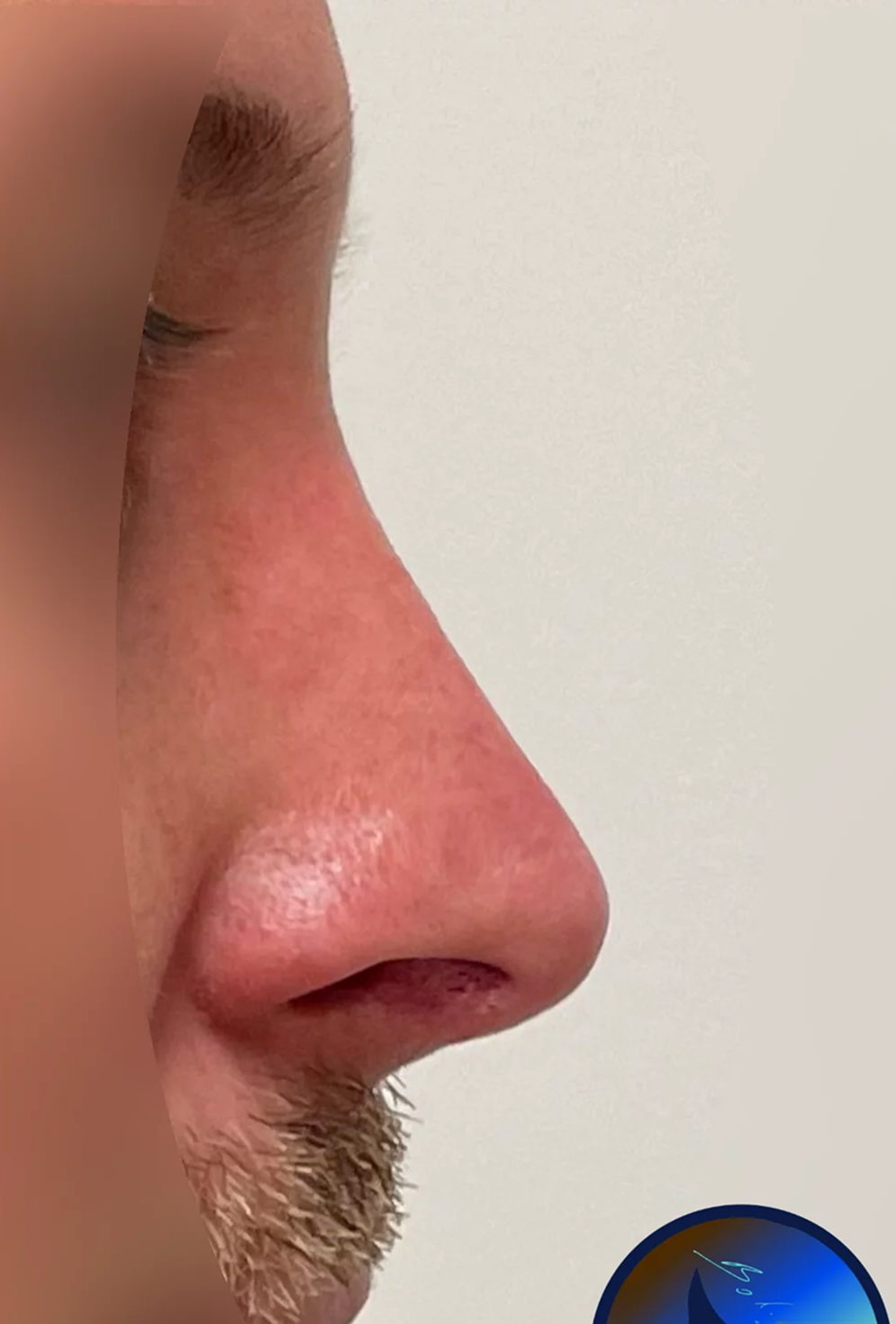
 BeforeAfter
Secondary rhinoplasty
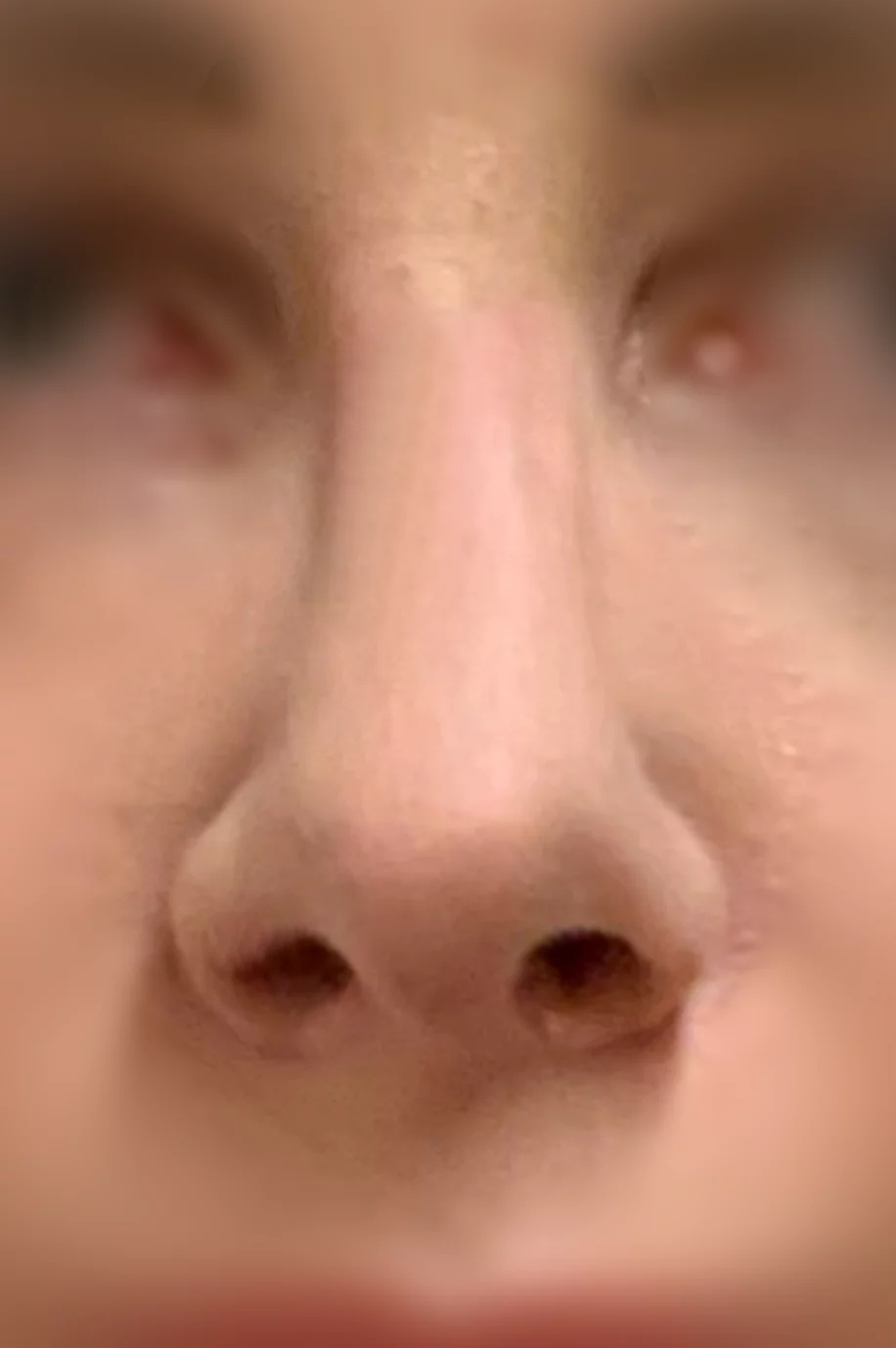
 BeforeAfter
Full nose surgery
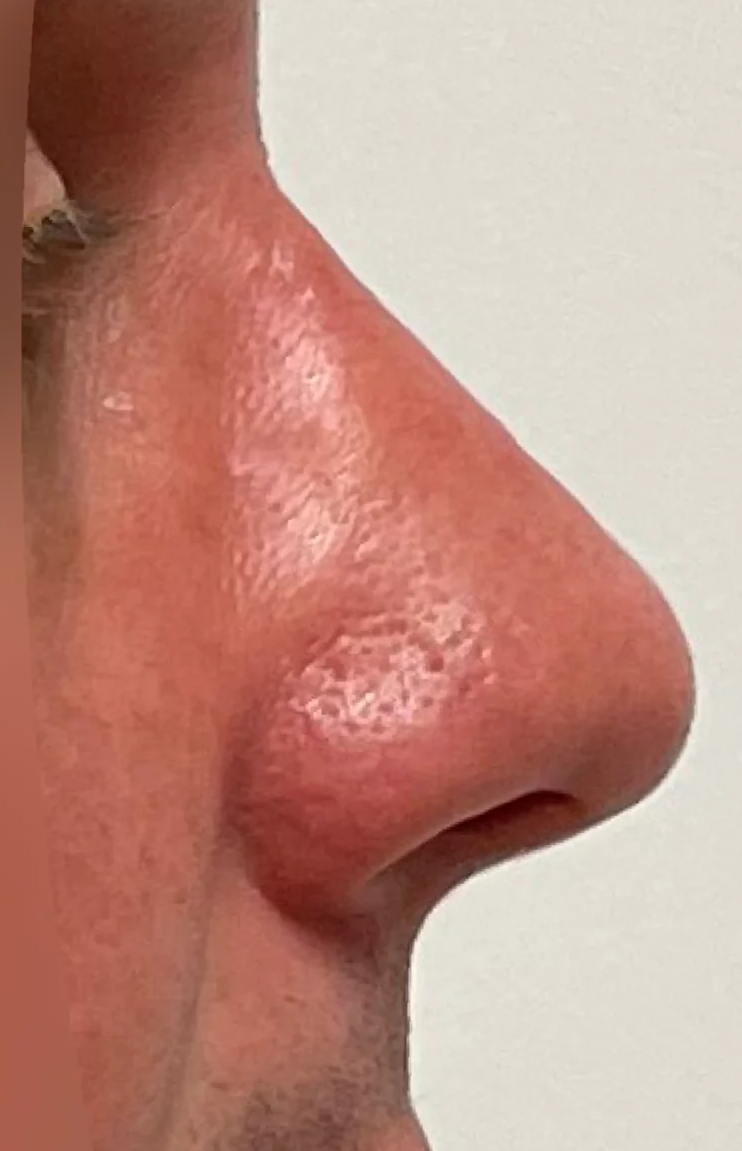
 BeforeAfter
Full nose surgery
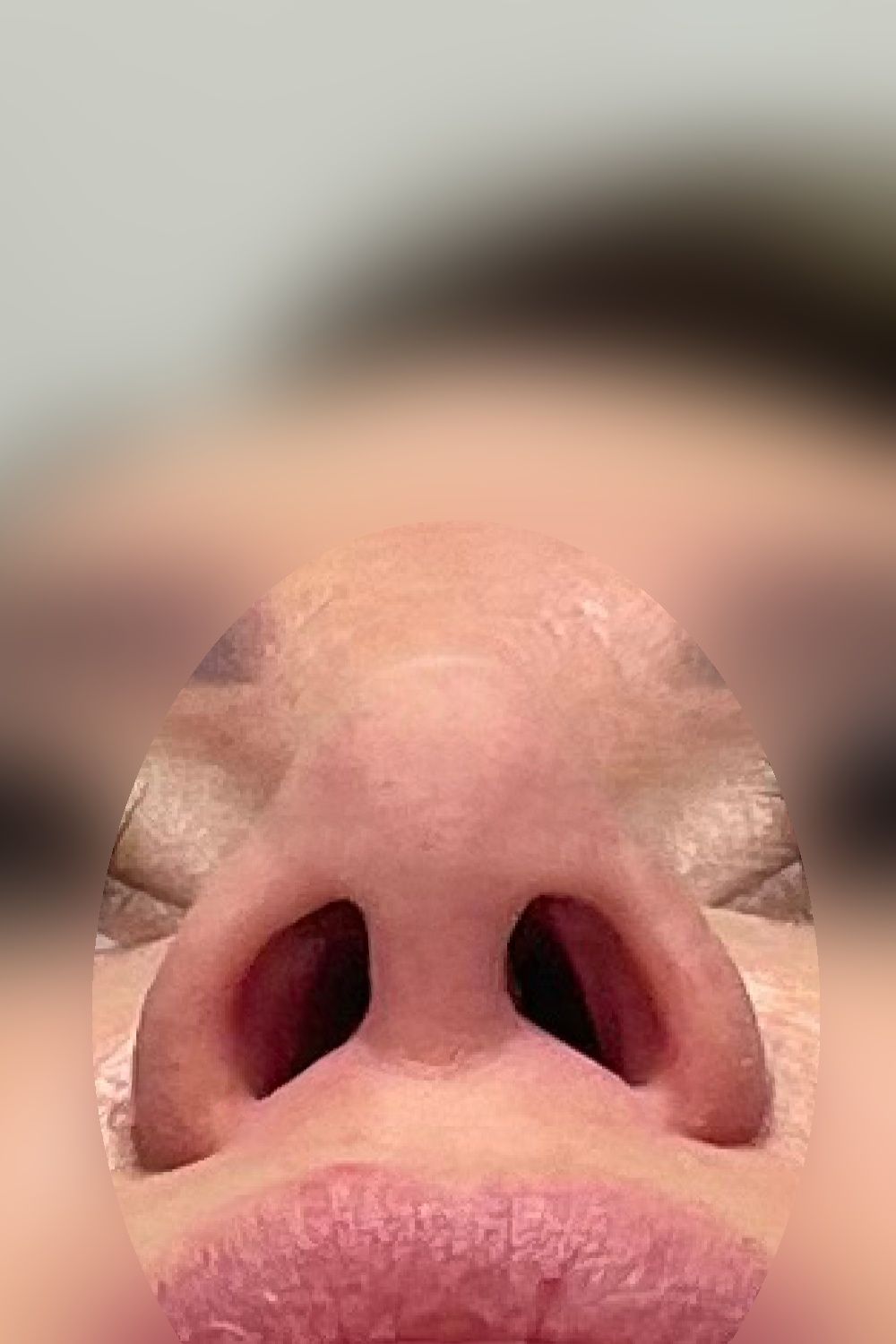
 BeforeAfter
Full nose surgery
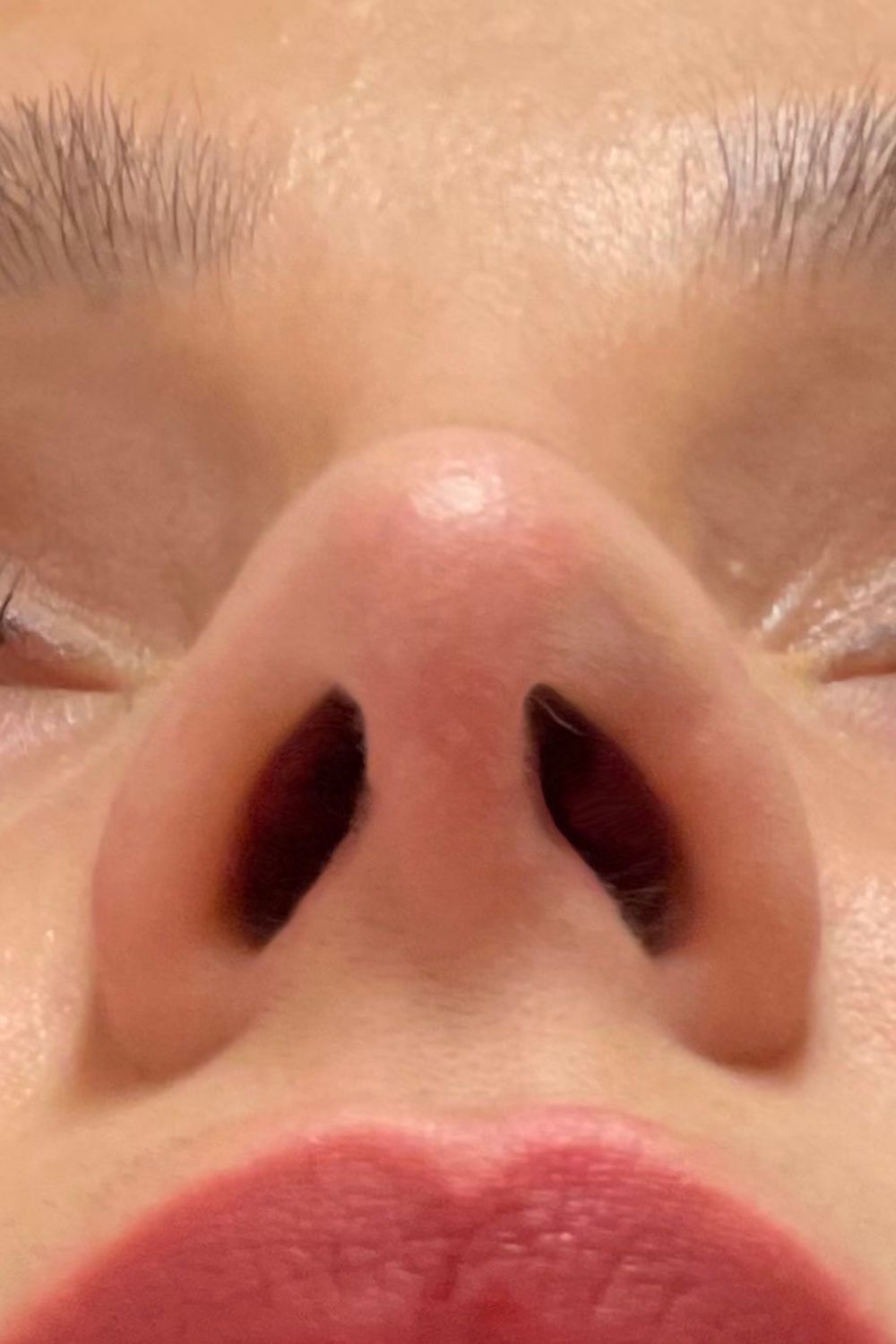
 BeforeAfter
Full nose surgery
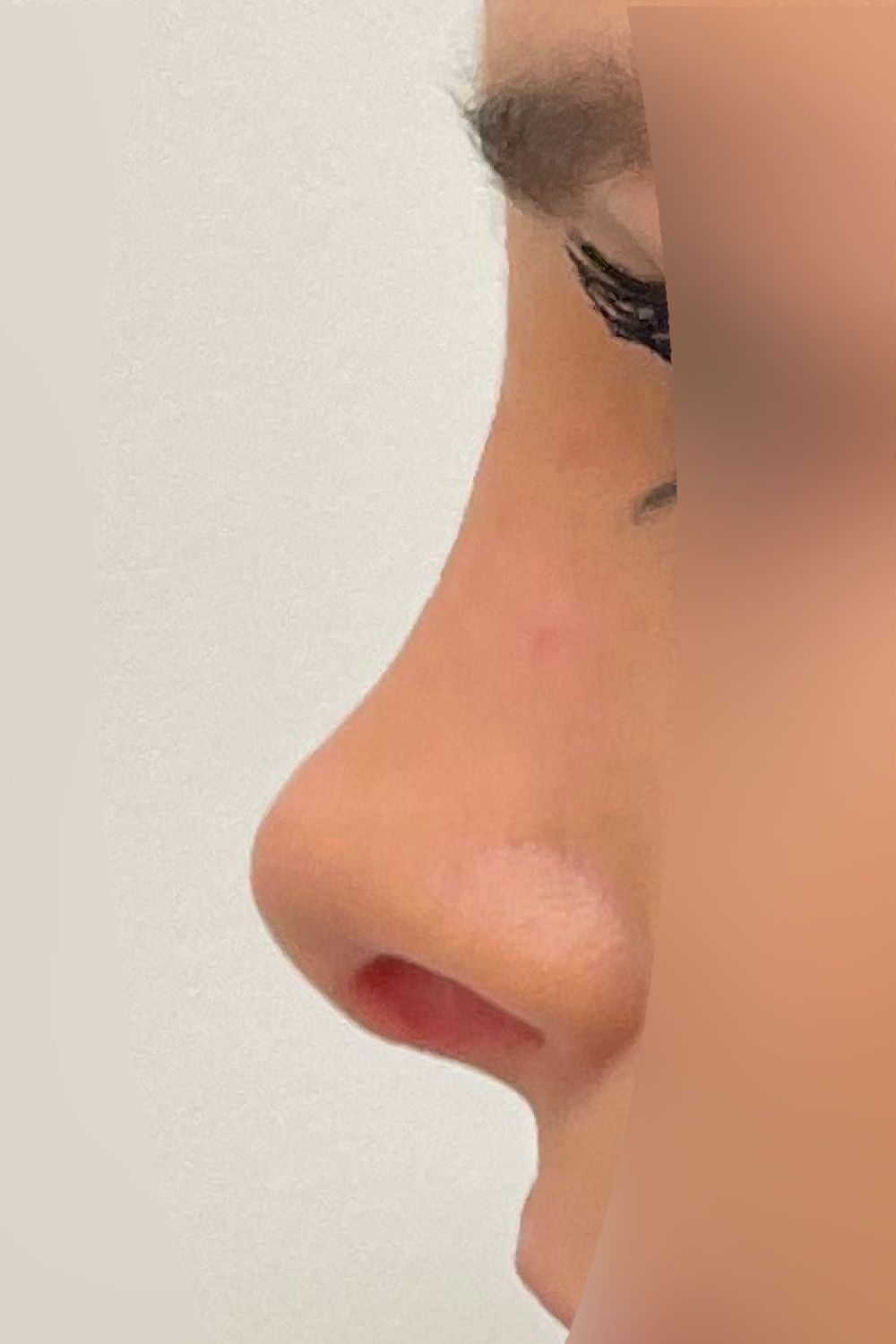
 BeforeAfter
Full nose surgery
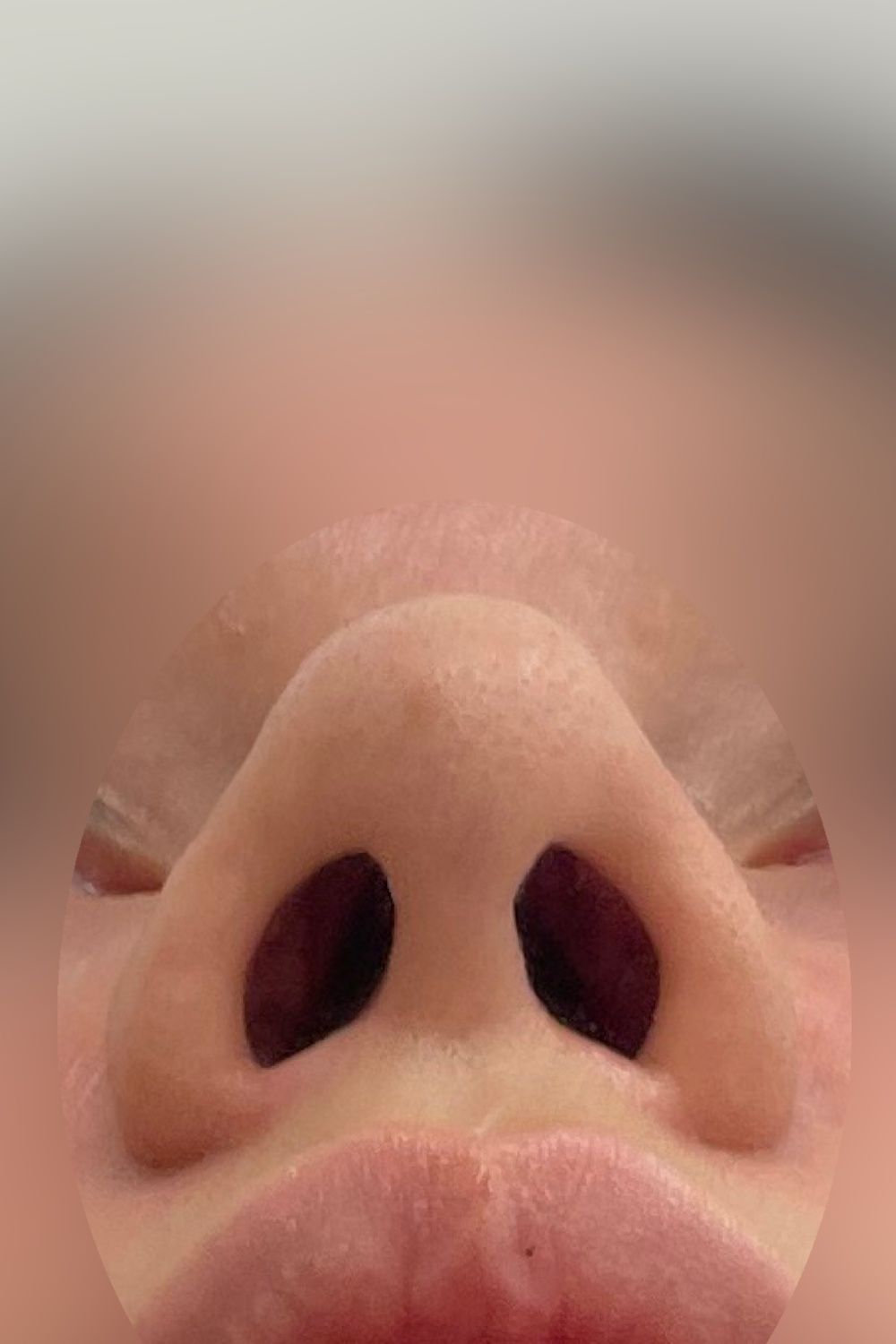
 BeforeAfter
Nose tip surgery
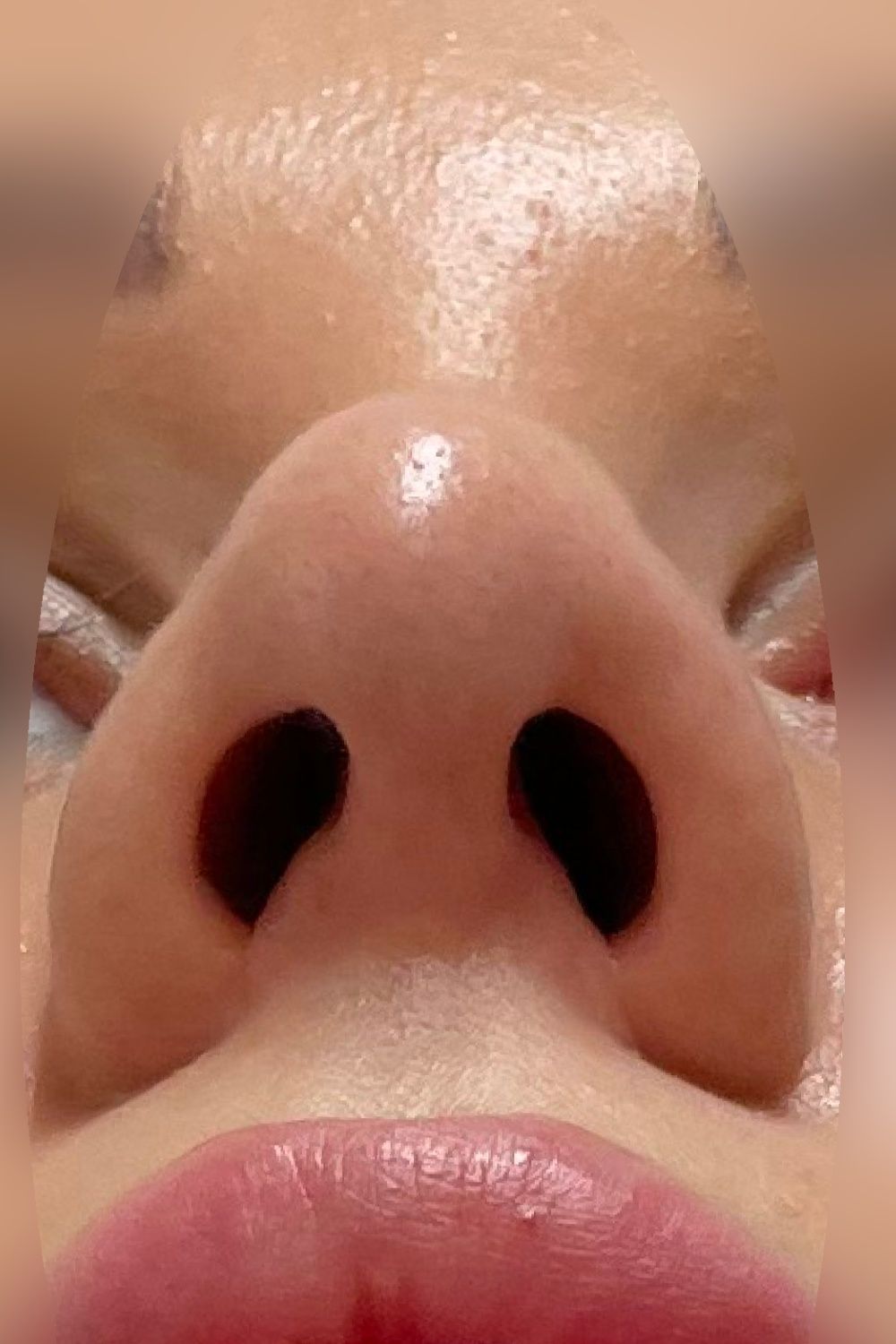
 BeforeAfter
Nose tip surgery
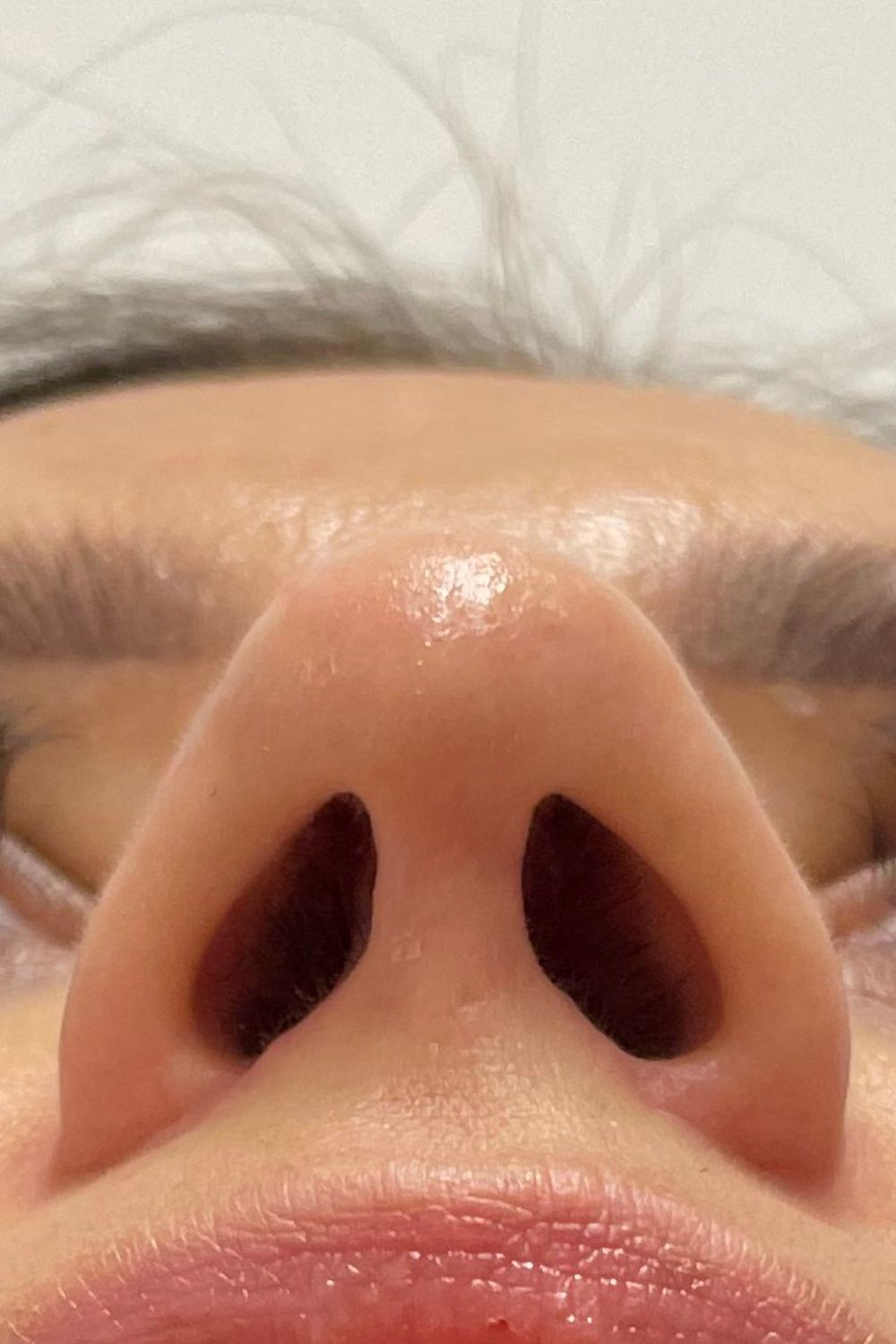
 BeforeAfter
Nose tip surgery
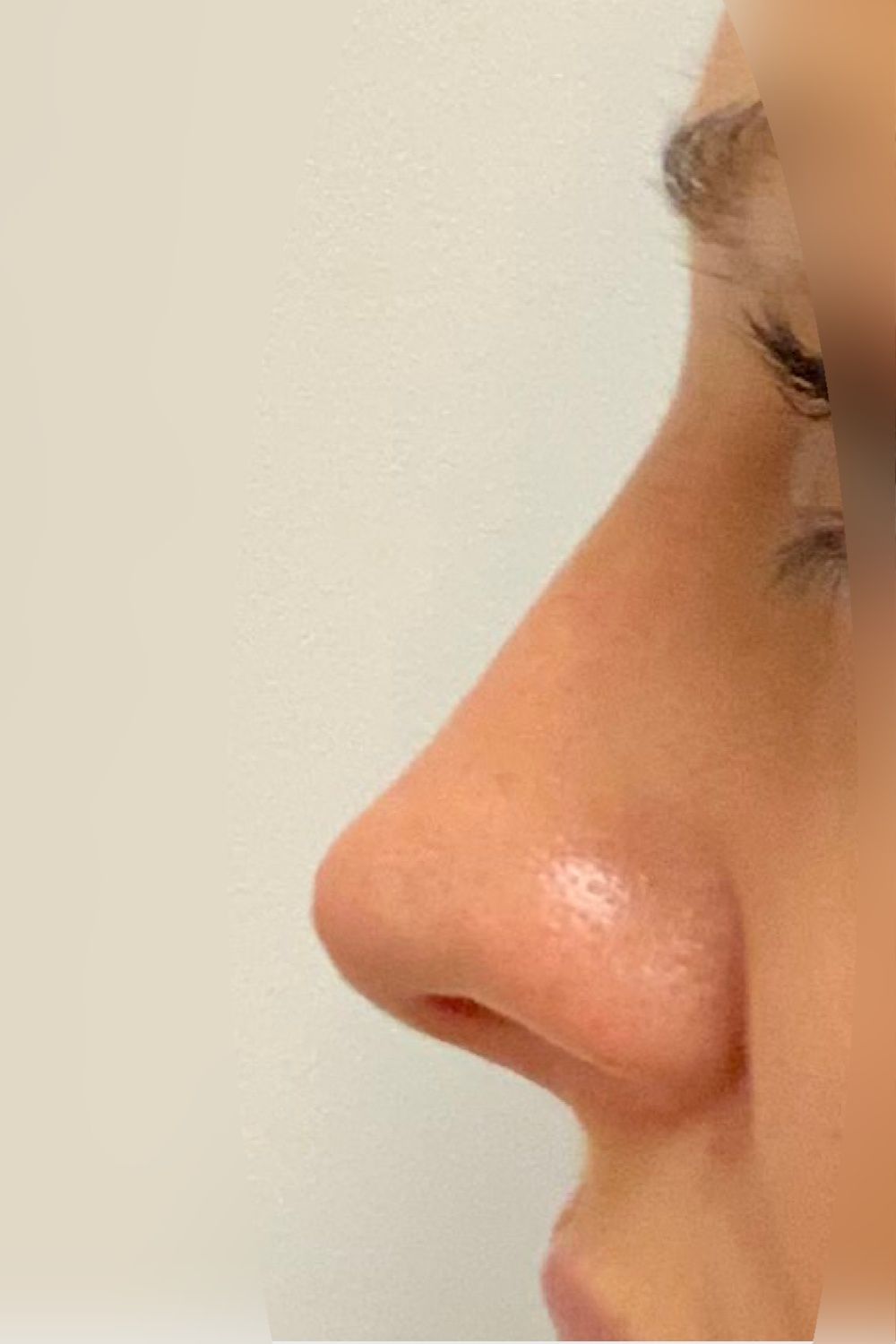
 BeforeAfter
Secondary surgery
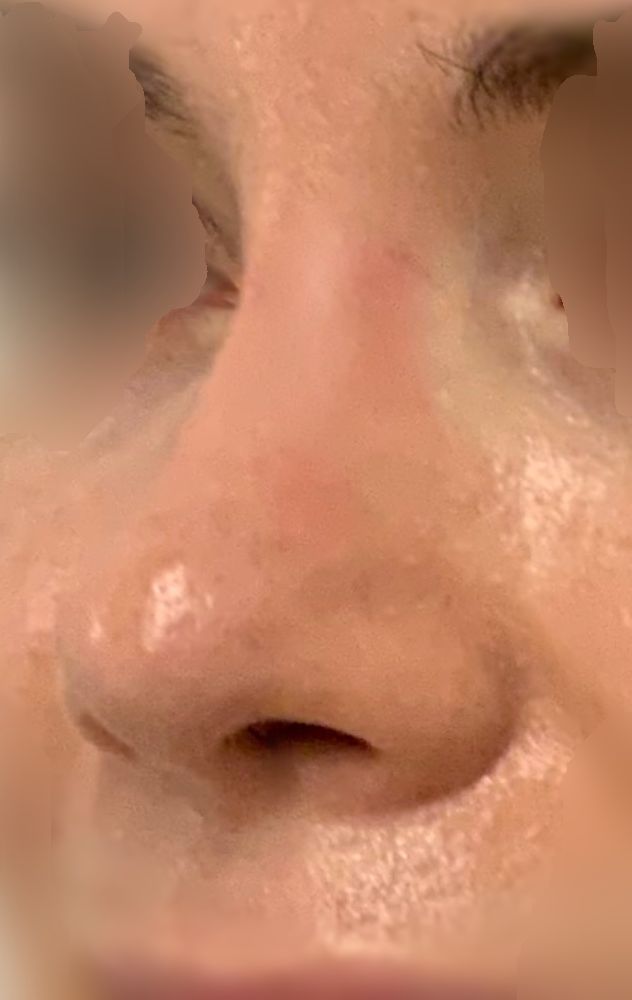
 BeforeAfter
Secondary surgery
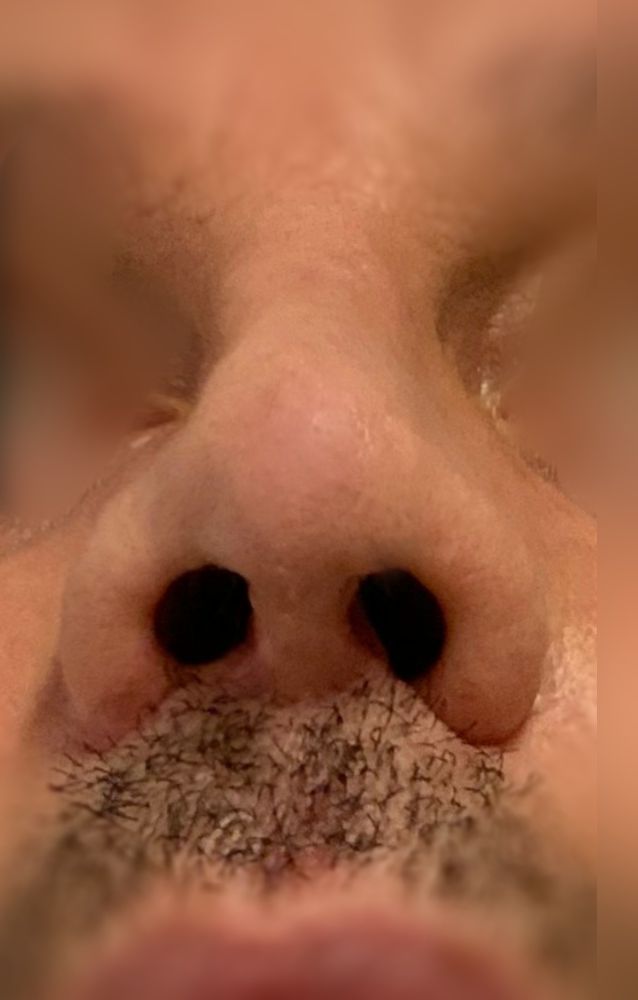
 BeforeAfter
Secondary surgery
Ideal when the problem is a hump, nose width and a deviated septum.
The nose, the most variable point of the human face, became pointed in Claudius, but his physiognomy converged – so to speak – as a result of mysterious depressions, the contour was filled in.
~ ~ Honoré de Balzac
Gathering medical history, examining the nose, taking photographs, and visualizing the planned changes to the nose. In cases of prior nasal surgery or breathing difficulties, performing diagnostic imaging and analyzing the results.
Surgery under general anesthesia, lasting 1 to 5 hours, followed by postoperative observation.
Removal of setons.
Post-operative check-up and replacement of the cast with a thermoplastic splint.
Removal of nasal splints, instruction on taping and nasal massage, and fitting of a night splint.
Follow-up visits to check nasal patency and fit a night splint.
Stage II of conservative treatment, involving, where necessary, measures such as the dissolution of any subcutaneous scars using a crystalline steroid.

After many years of hesitation, I decided on rhinoplasty, and it was the best decision. Not only did the aesthetics improve, but most importantly, breathing comfort. Full professionalism and patient care.
~ Piotr K.
No, it is performed under general anesthesia, and after the procedure, the patient experiences the discomfort of a stuffy nose rather than acute pain.
Comprehensive post-operative recovery guide for nose surgery. Learn how to maintain hygiene, what healing looks like, what to avoid in the first weeks, and how to manage splints and recommended products.
The consultation is a time for your questions and a thorough assessment of treatment options.

