A blurred jawline or double chin
The accumulation of fat tissue or loss of skin elasticity can blur the contours of the face and neck.
In striving for facial aesthetics, maintaining naturalness and proportion is key. Our facial contouring treatments aim to restore sharpness, freshness, and symmetry, emphasizing individual beauty.

Over the years, and also due to genetics, facial features can change, affecting overall expression. We offer solutions tailored to your needs.
The accumulation of fat tissue or loss of skin elasticity can blur the contours of the face and neck.
Sometimes the proportions of the chin or cheeks do not work together, creating a disharmonious appearance.

We emphasize individual consultations and precise planning to ensure each procedure perfectly meets expectations, while maintaining natural and subtle results.

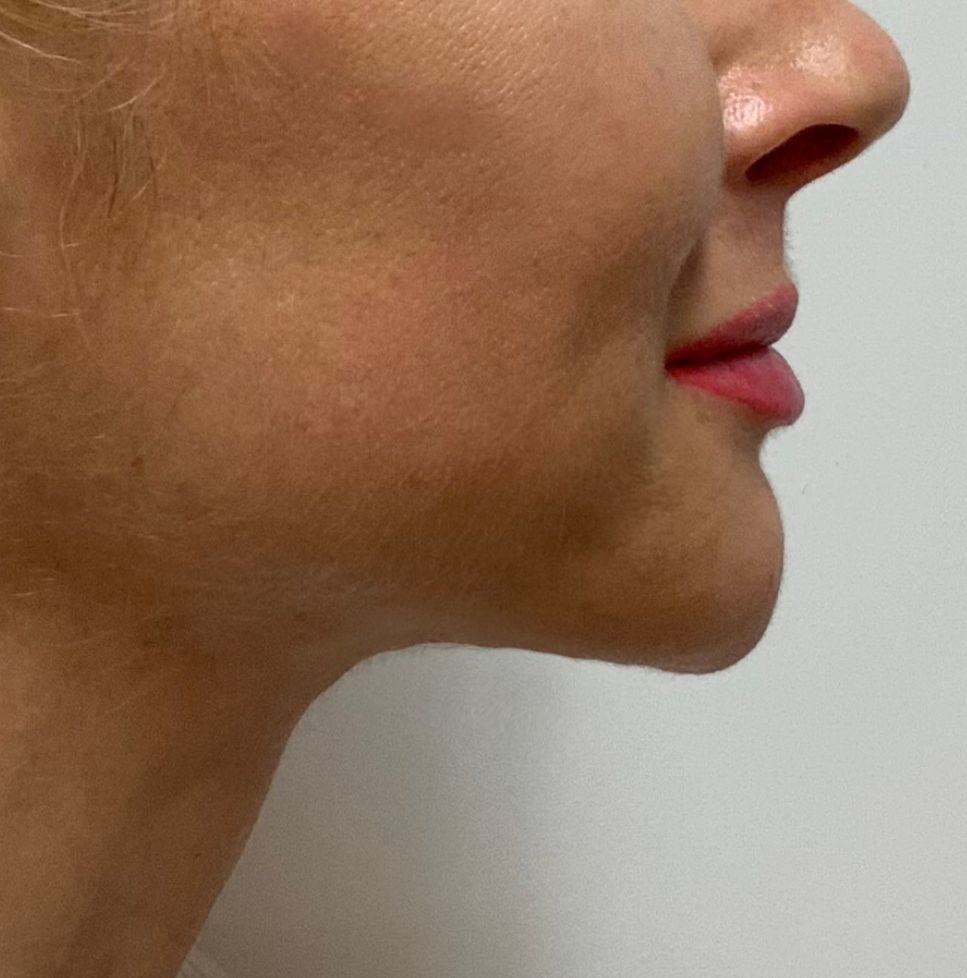
 BeforeAfter
Bichectomy
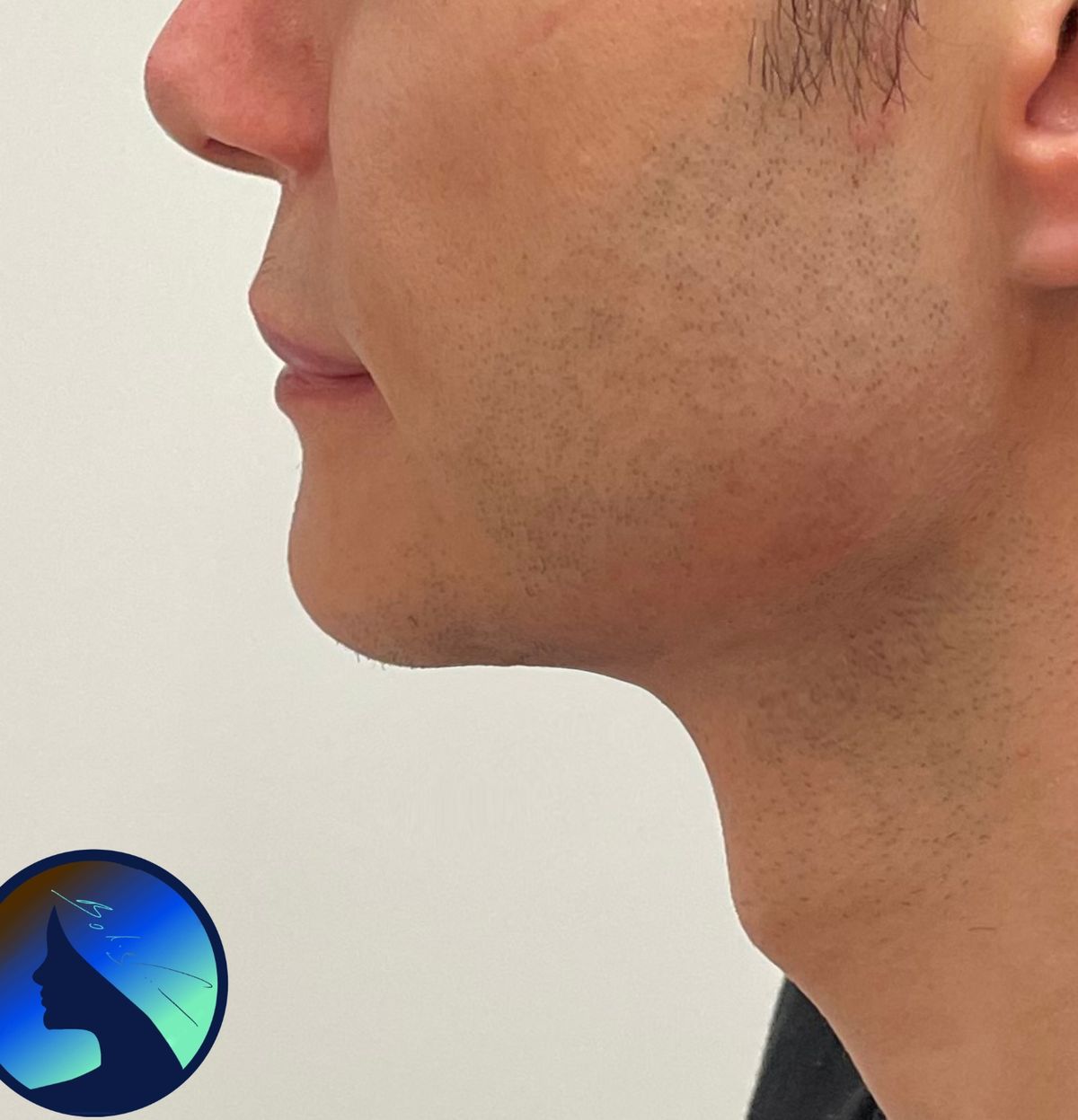
 BeforeAfter
Bichectomy
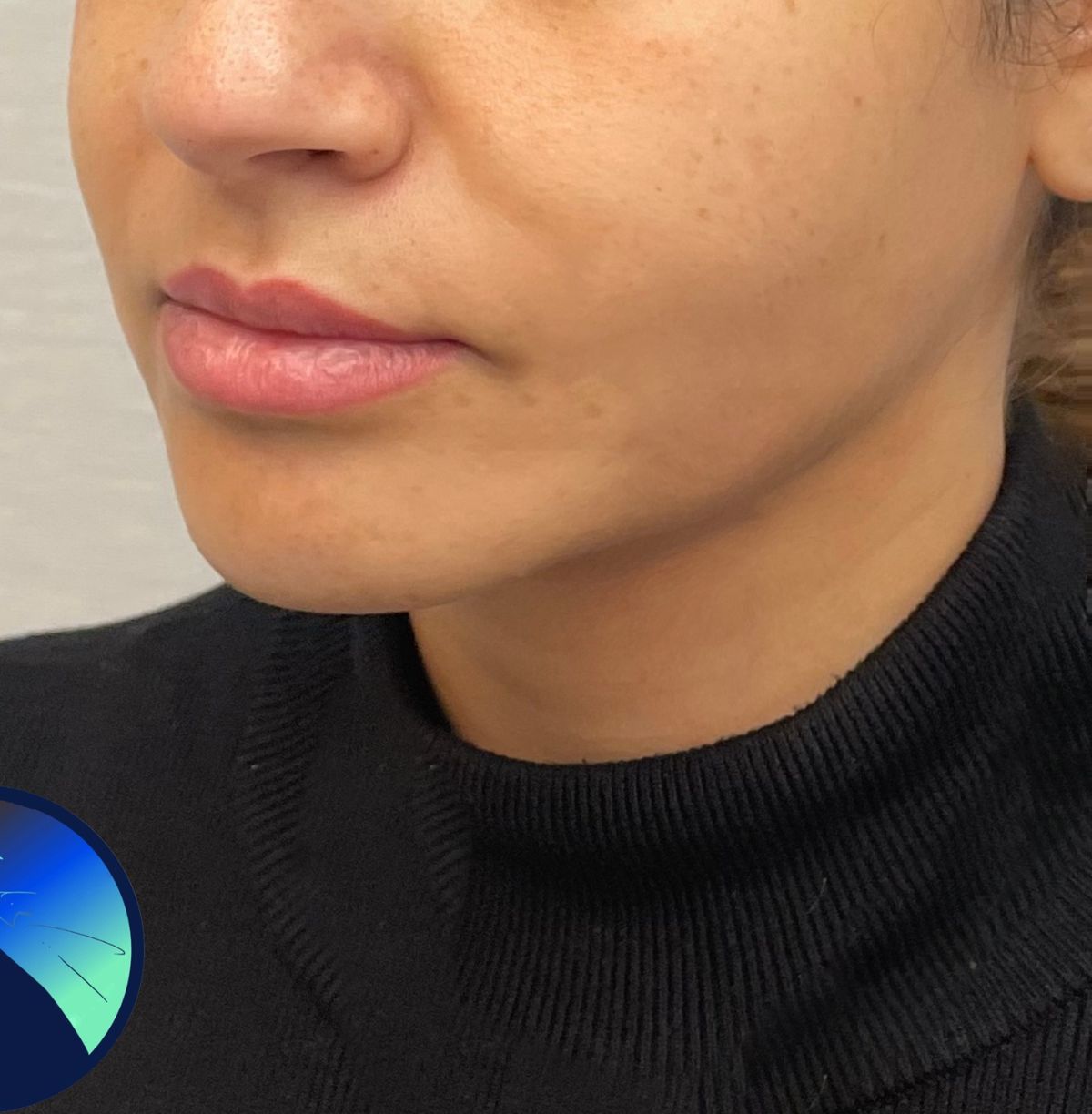
 BeforeAfter
Bichectomy
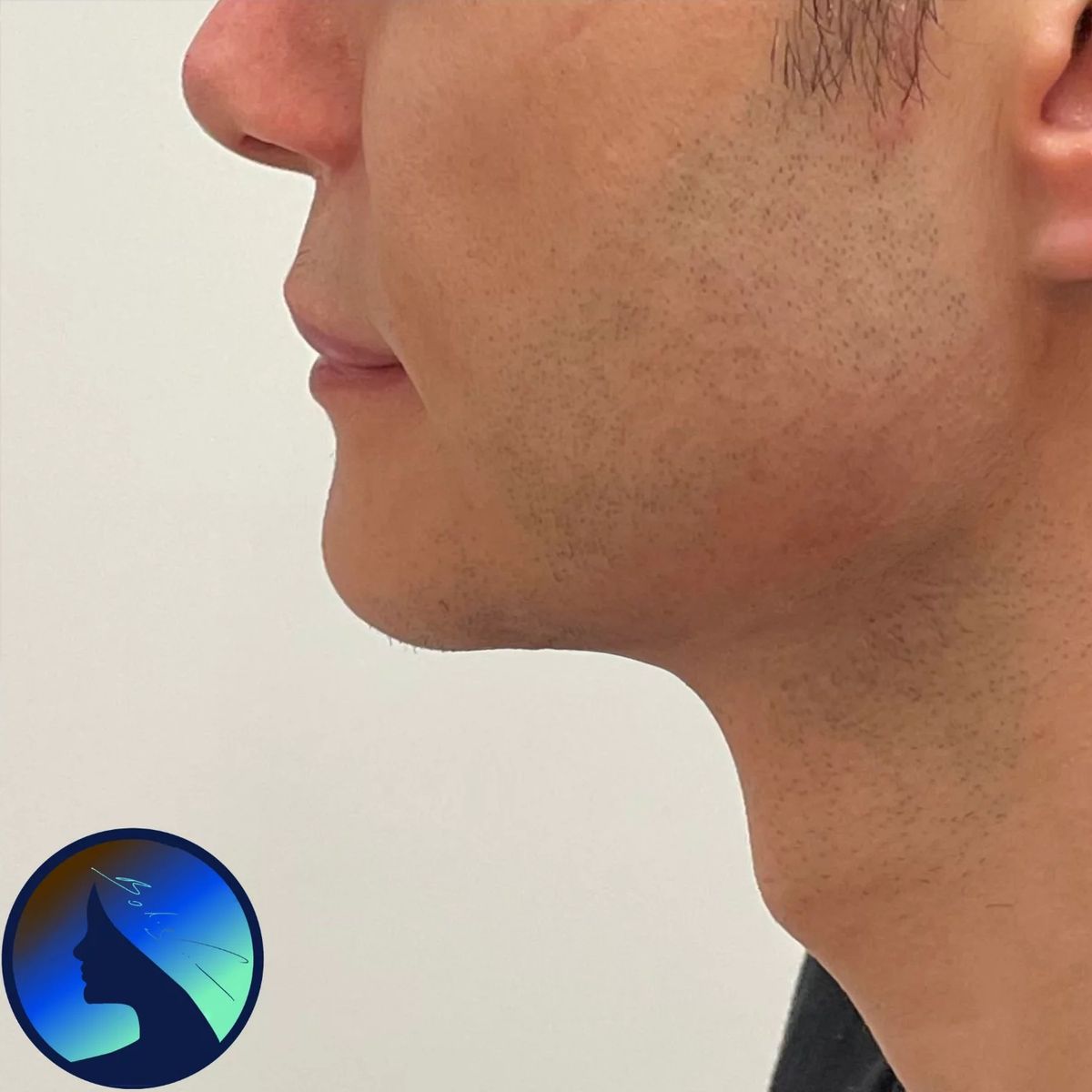
 BeforeAfter
Chin implants
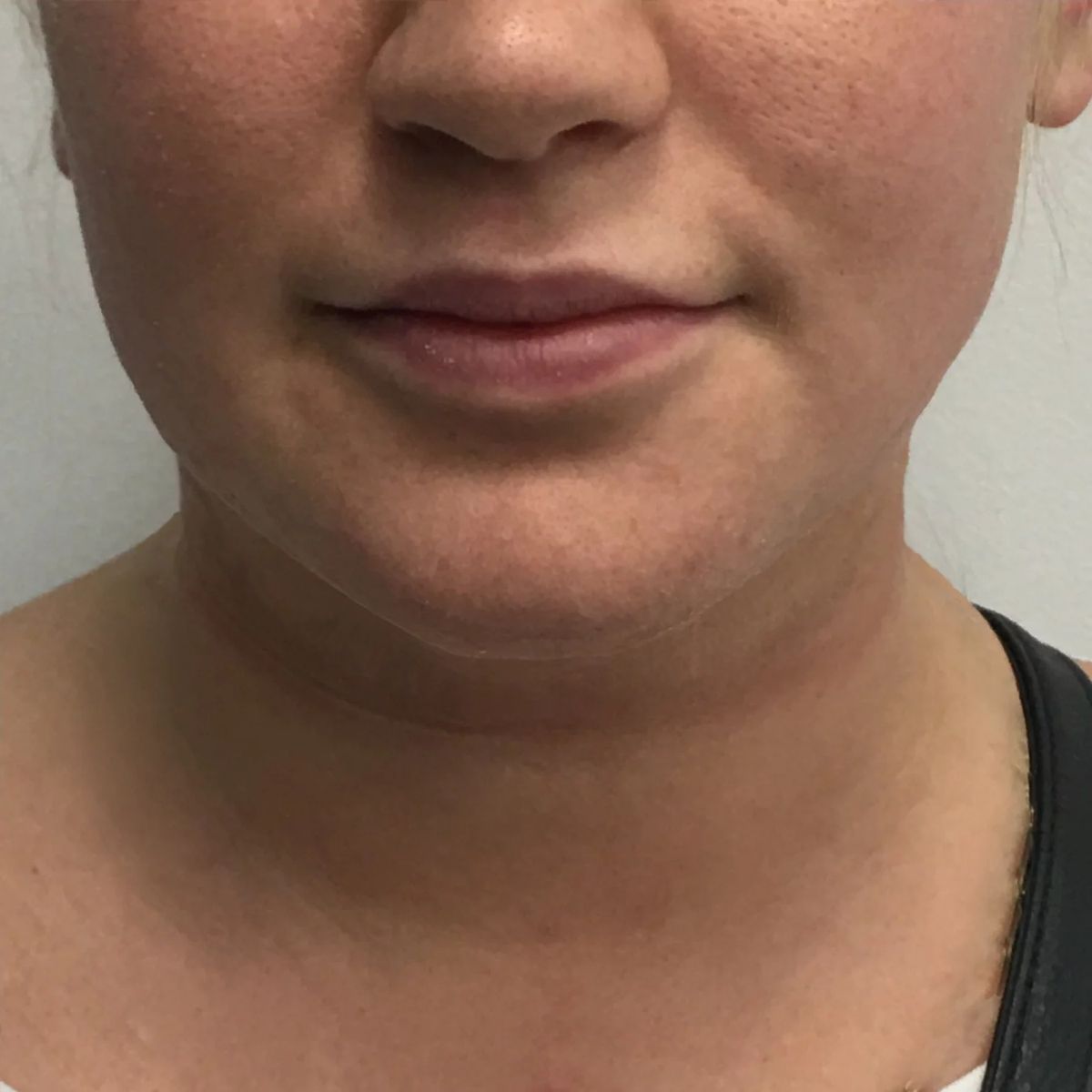
 BeforeAfter
Chin and jaw liposuction
Reduction of cheek volume by removing excess fat tissue, aiming to slim the face and accentuate the cheekbones.
Harmony of forms is the harmony of the spirit.
~ Platon
Detailed analysis of facial proportions and identification of areas requiring correction. Establishing an individualized surgical plan which, depending on patient needs, may include buccal fat pad removal (bichectomy), submental and jawline liposuction, cheek liposuction, fat grafting/contouring, and other procedures to refine facial contours.
Medical photography, essential preoperative diagnostic lab work, and final confirmation of the planned surgical scope.
The procedure is performed under local or general anesthesia, depending on the extent of the surgery, followed by a post-operative observation period.
Evaluation of the healing process and suture removal, depending on the technique used.
Wearing a facial compression garment or bandage to reduce swelling and support the defining of the facial contours.
Follow-up appointments every 6 weeks or 3 months to monitor recovery and, if necessary, implement supportive conservative treatments.
Final conclusion of treatment once swelling has fully subsided and tissue remodeling is complete.

It's hard for a man to decide on plastic surgery, but my wife had surgery with Dr. Boligłowy, and two of her friends did too, so I decided to pluck up the courage and have a facelift with him. I'm very pleased. The scars are practically invisible, and my face looks fresh and natural. I highly recommend him.
~ KW
After many years of hesitation, I decided on rhinoplasty, and it was the best decision. Not only did the aesthetics improve, but most importantly, breathing comfort. Full professionalism and patient care.
~ Piotr K.
Bichectomy, or buccal fat pad reduction, is a procedure designed to slim the lower cheeks by removing targeted fat from this anatomical structure. While the term "Bichectomy" is widely used internationally, it can be somewhat misleading. The entire buccal fat pad is not removed; rather, fat is selectively reduced in its lower portion at the level of the molar teeth to create a more defined facial contour. In medical English, this procedure is properly referred to as "buccal fat reduction." The buccal fat pad (corpus adiposum buccae) was named after the 18th-century French anatomist Marie François Xavier Bichat. It is located between the buccinator muscle and the masseter muscle, with Stensen's duct (the parotid duct that drains saliva into the oral cavity) running in close proximity. The surgery focuses specifically on the lower segment of this adipose tissue to slim the lower cheek area. Bichectomy is frequently combined with submental and jawline liposuction or a facelift. When performed alongside liposuction, the approach is intraoral—via a small incision in the mucosal lining inside the mouth—leaving no visible external scars. During a facelift, buccal fat reduction can be performed externally once the deep facial structures are accessed. Although the procedure itself takes only a few minutes, it requires exceptional precision and complete patient immobility. For this reason, it is typically performed under conscious sedation or general anesthesia to ensure maximum comfort and safety for both the patient and the surgeon.
The consultation is a time for your questions and a thorough assessment of treatment options.

