Gynecomastia
Excessive growth of glandular tissue in men, leading to undesirable breast enlargement.
We understand the importance of proportion and comfort. Our surgical methods are individually tailored to achieve a natural and harmonious appearance of the male torso.

Dissatisfaction with the appearance of the chest can affect self-confidence and quality of life. We offer solutions that address various aesthetic needs.
Excessive growth of glandular tissue in men, leading to undesirable breast enlargement.
Lack of defined pectoral muscle lines or excess adipose tissue in the chest area.
Differences in size, shape, or position of the pectoral muscles, often resulting from congenital defects.
Excess loose skin and adipose tissue in the chest area resulting from significant weight loss, requiring surgical correction and contouring.

Modern surgical techniques are utilized, ranging from minimally invasive liposuction to advanced methods for gynecomastia correction—a primary field of clinical focus and the subject of doctoral dissertation research—as well as contouring with autologous tissue or implants. Every procedure is preceded by detailed anatomical analysis and planning.


 BeforeAfter
Ginekomasty
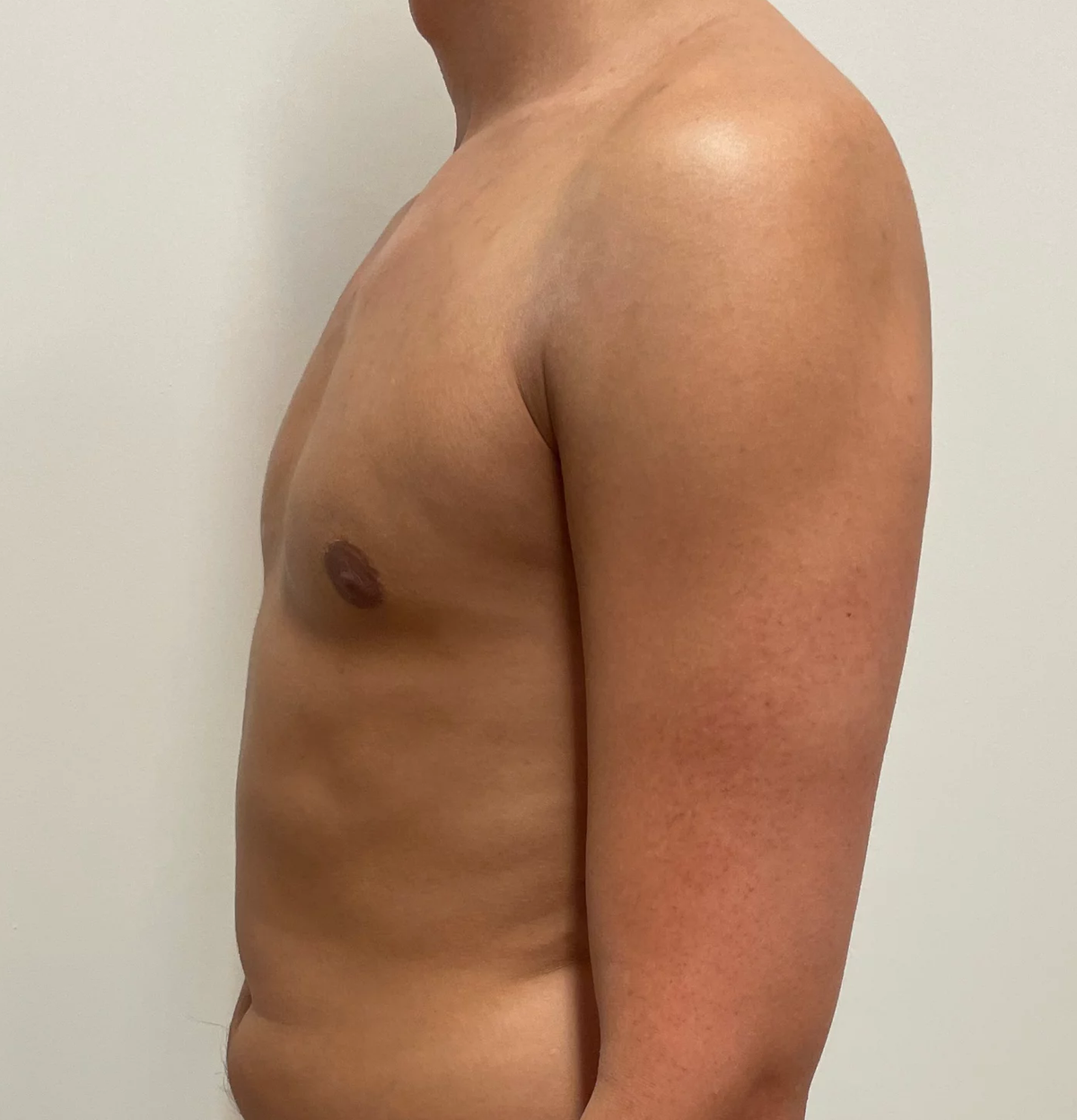
 BeforeAfter
Ginekomasty
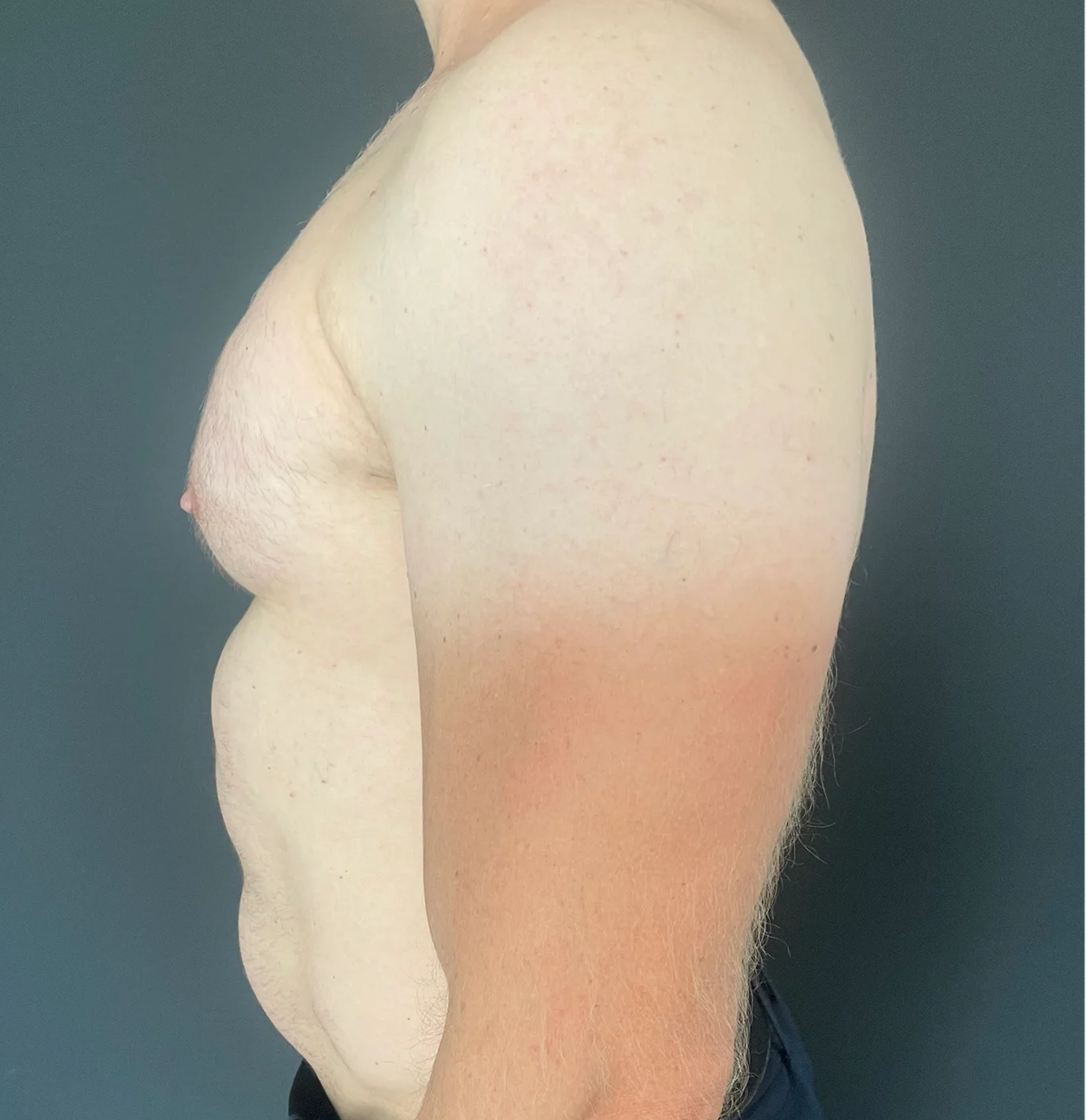
 BeforeAfter
Ginekomasty

 BeforeAfter
Enlargement with implants
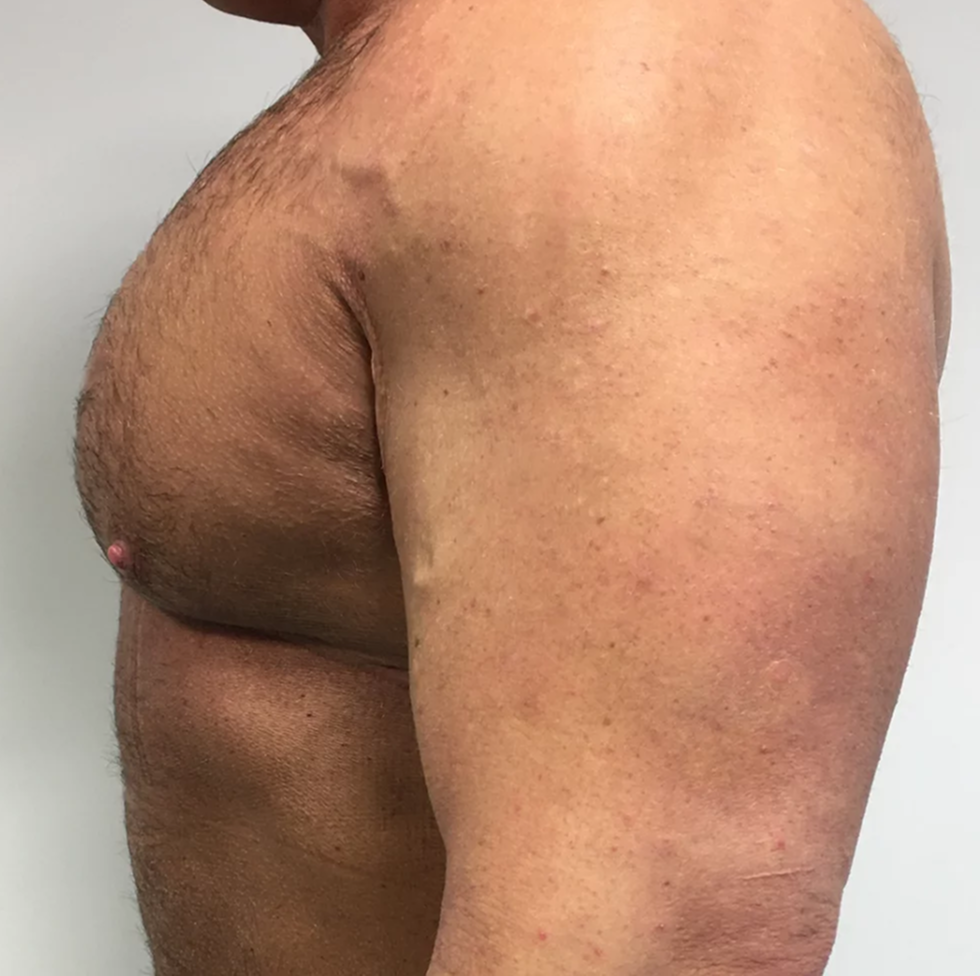
 BeforeAfter
Enlargement with implants
Male mastectomy is a surgical procedure involving the removal of excess glandular and fatty tissue—and sometimes skin—to eliminate enlarged male breasts, a condition known as gynecomastia.
A man's strength is measured by his courage to change and his pursuit of harmony with himself.
~ Marcus Aurelius
Detailed medical history taking, physical examination of the chest, and evaluation of the type and severity of gynecomastia. Essential laboratory diagnostics are performed to identify any potential underlying causes.
Based on the medical history, examination, and diagnostic results, the treatment path is established—initiating pharmacological therapy or qualifying for surgical intervention. For surgical cases, the scope is determined: excision of glandular tissue (subcutaneous mastectomy), liposuction, or a combined technique. In cases of massive gynecomastia with excess skin, surgical skin resection may also be required. At this stage, medical photography and preoperative lab tests are completed, and the final surgical plan is established.
The procedure is performed under general anesthesia. Its duration and extent depend on the classification, severity of gynecomastia, and chosen technique, followed by a post-operative observation period.
Assessment of healing progress, surgical wounds, and chest contour. Depending on the technique used, dressing changes and updated post-operative care guidelines are provided.
Wearing a chest compression garment for 6 weeks and a gradual return to normal physical activity according to post-operative guidelines.
Regular follow-up appointments to monitor healing and chest contouring, with physical therapy exercises implemented if necessary. After a minimum of 6 months, depending on recovery progress, supportive conservative treatments may be introduced to facilitate skin retraction and further healing.
Final conclusion of treatment upon full healing and completion of tissue remodeling.

The chest contouring procedure was performed with great precision. Recovery proceeded as planned. I feel more confident.
~ Adam P.
Procedures are performed under anesthesia, and the post-operative period is managed with appropriate pain medication.
The consultation is a time for your questions and a thorough assessment of treatment options.

