
Insufficient breast volume or asymmetry
For patients who feel discomfort due to small breast size or noticeable asymmetry.
Scar-free breasts achieved through a proprietary endoscopic transaxillary technique. Natural proportions, maximum safety, and solutions tailored to individual anatomy.

The decision to undergo breast plastic surgery is deeply personal. Whether the motivation is to change size, improve shape after pregnancy, or correct asymmetry, the support of an experienced surgeon is key.
For patients who feel discomfort due to small breast size or noticeable asymmetry.
A result of aging, pregnancy, breastfeeding, or significant weight fluctuations.
Causes back pain, issues with finding appropriate underwear, and limitations in physical activity.

Each procedure is preceded by a detailed consultation, during which I discuss the patient's expectations, available methods, and potential results. My goal is to create a plan that best suits individual anatomical and aesthetic characteristics.

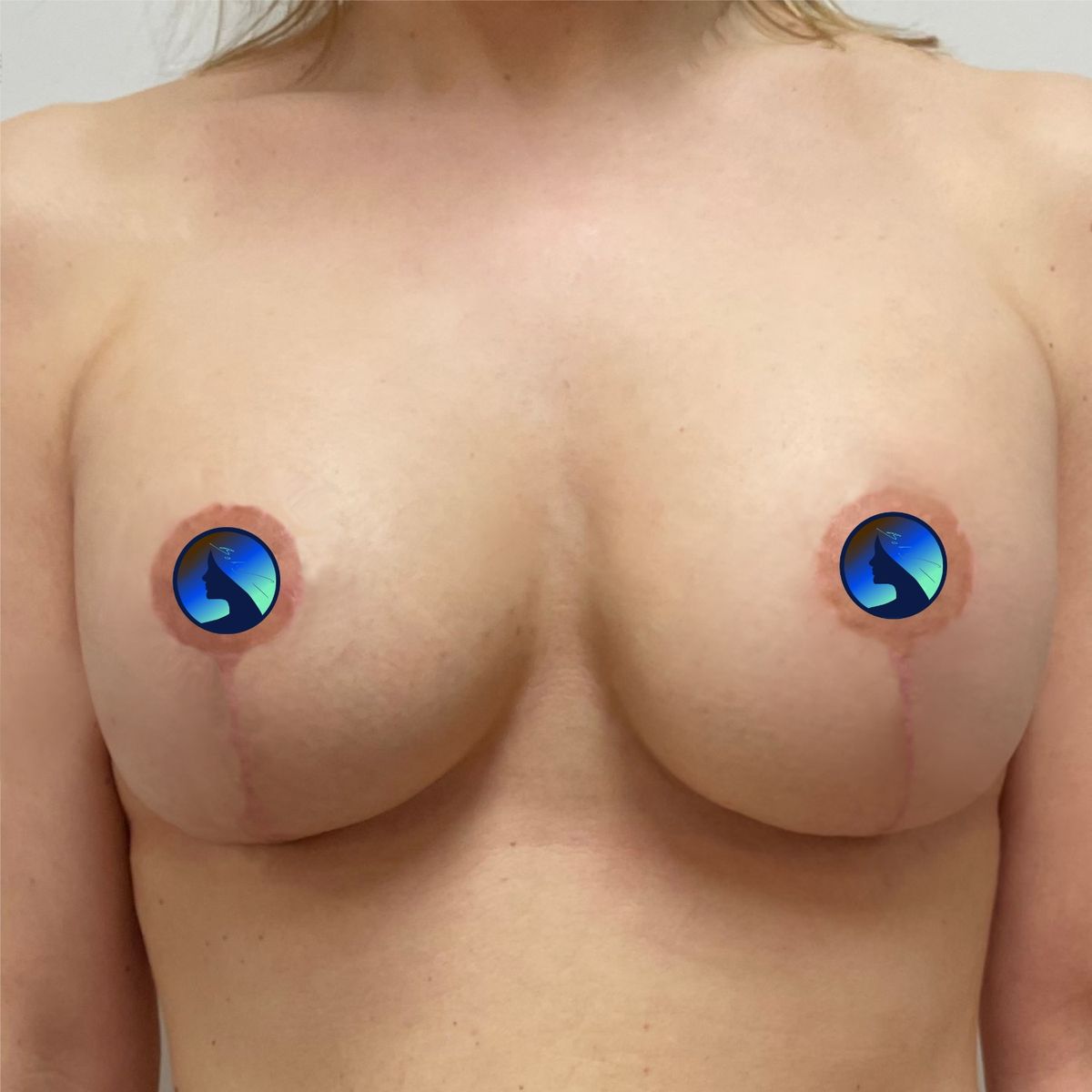
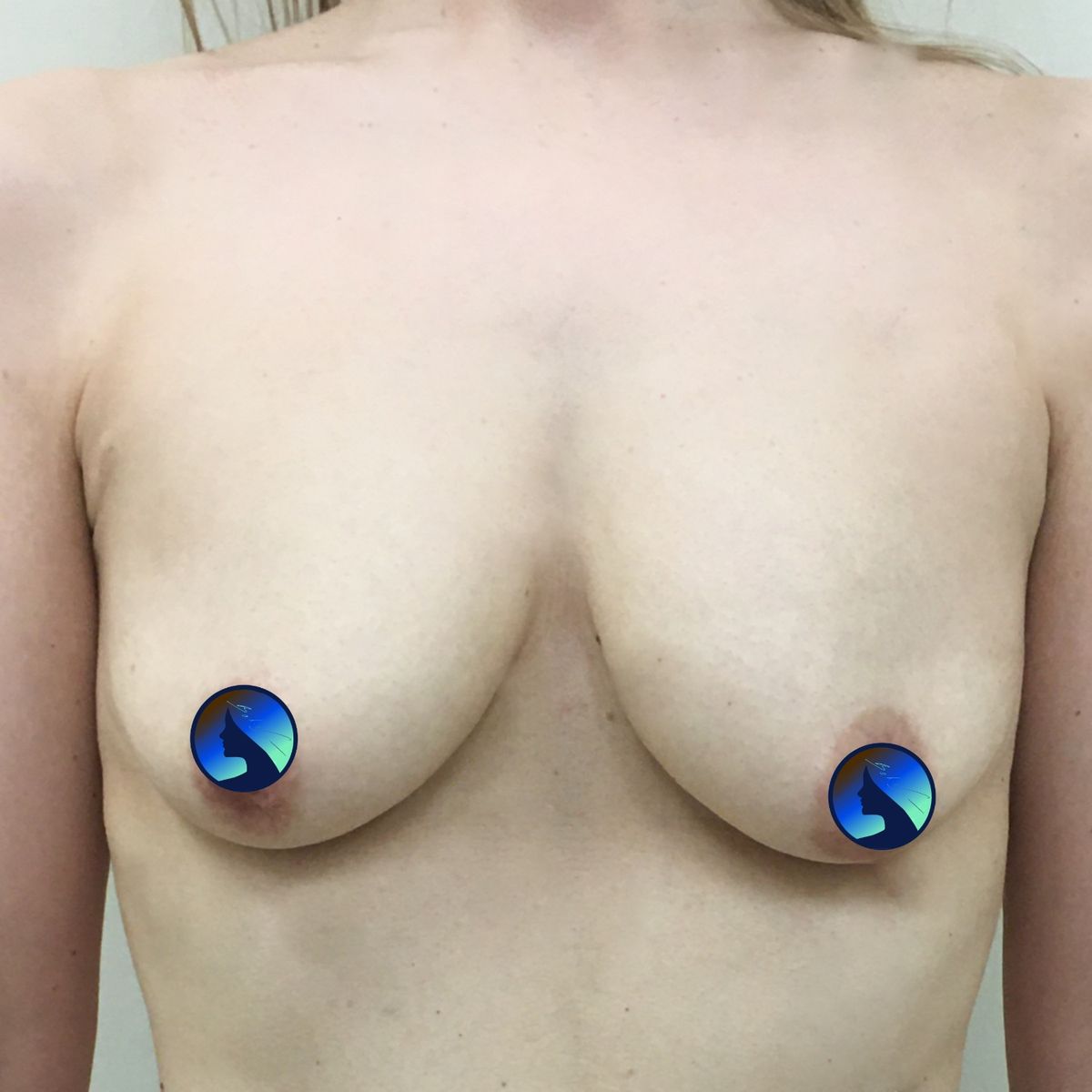 BeforeAfter
Classic breast lift
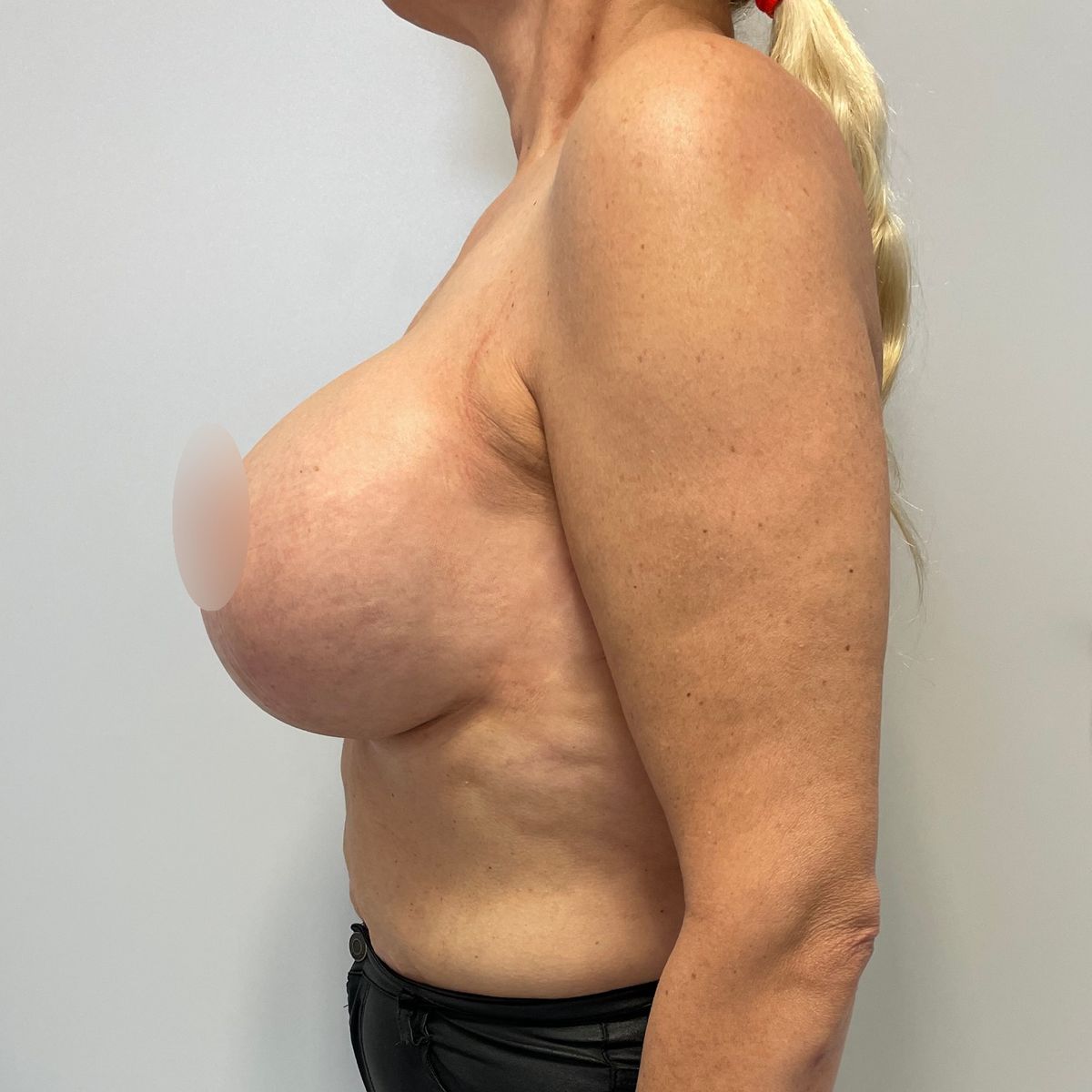
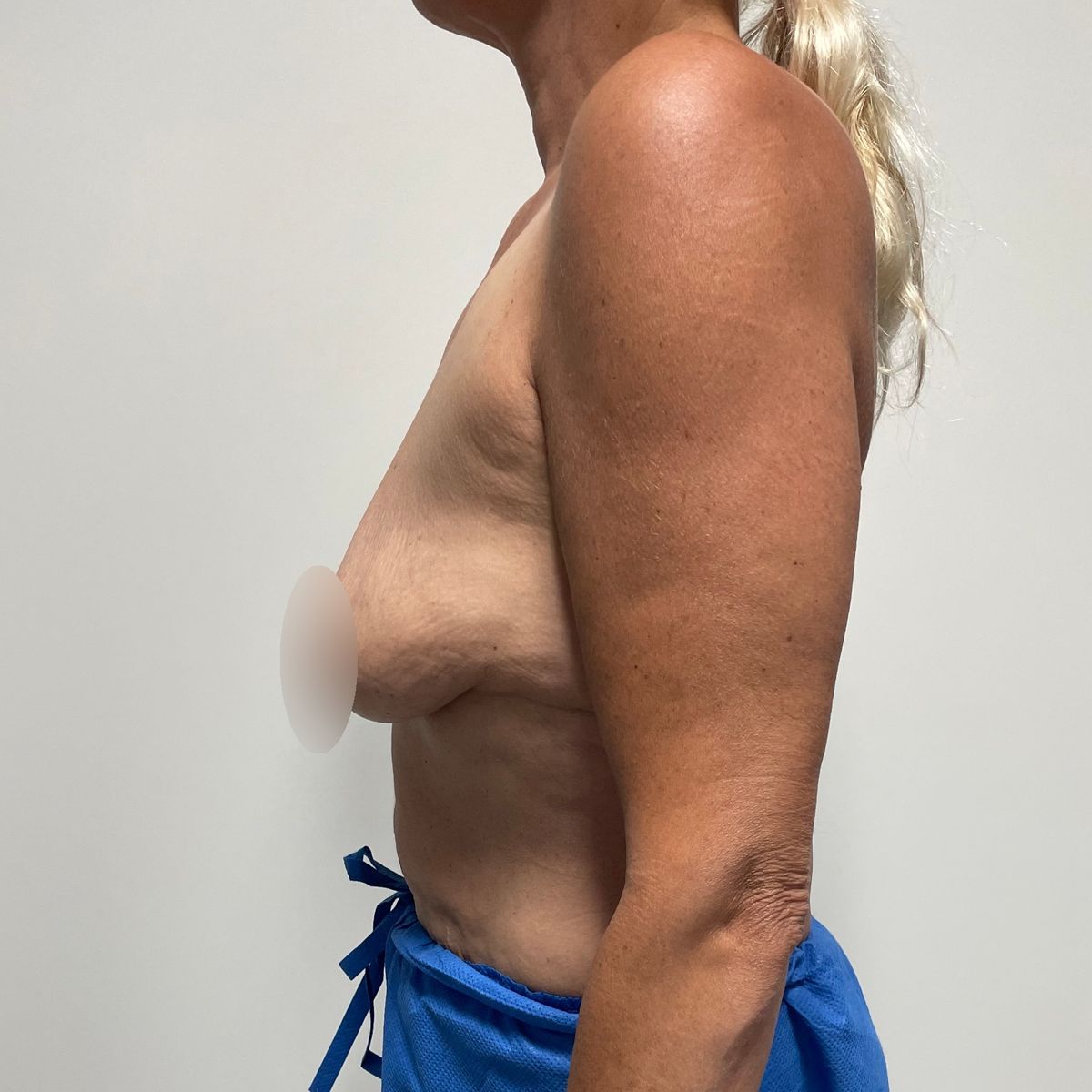 BeforeAfter
Classic breast lift
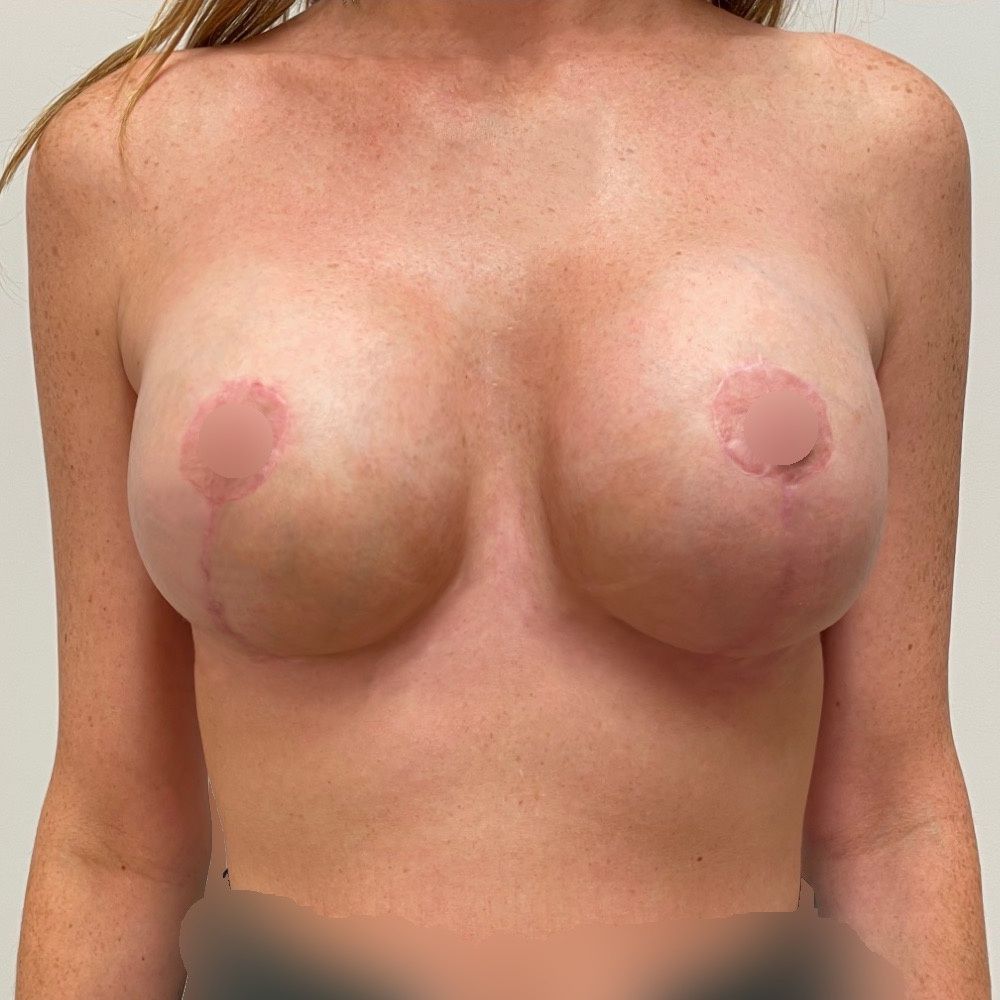
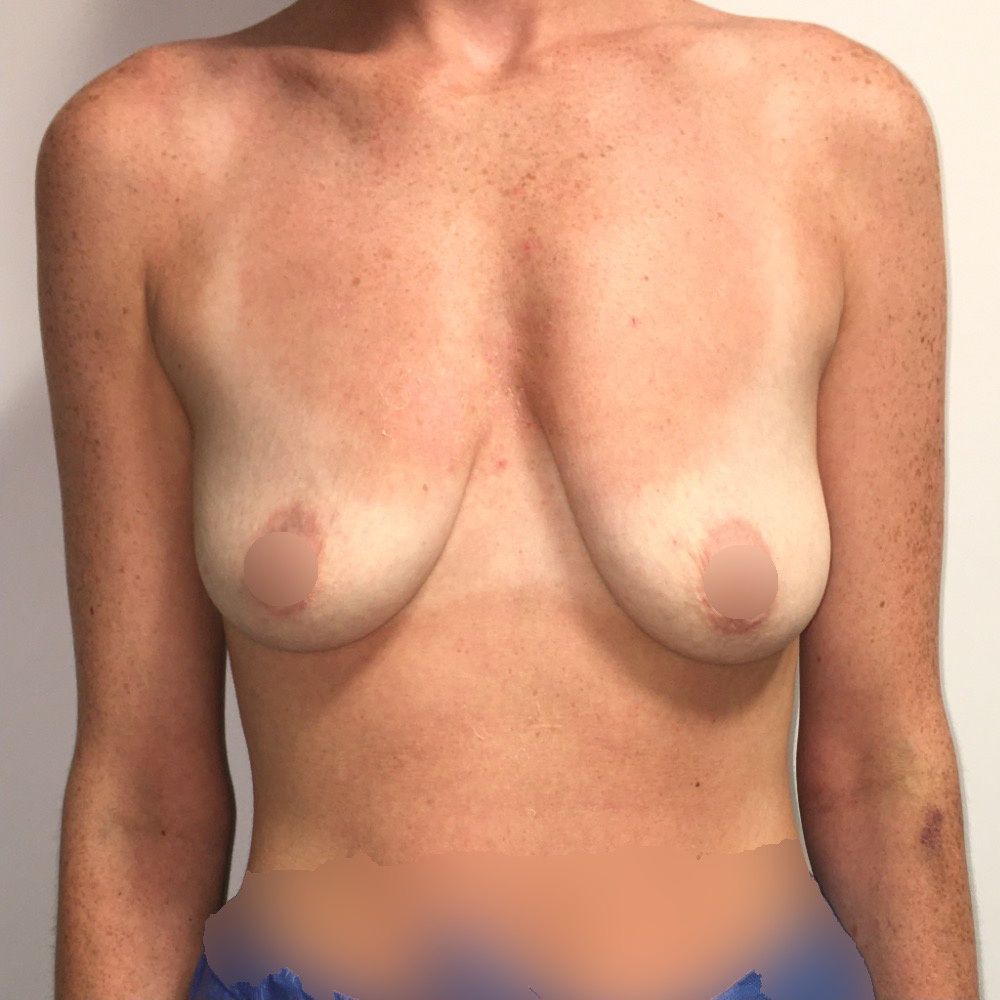 BeforeAfter
Classic breast lift
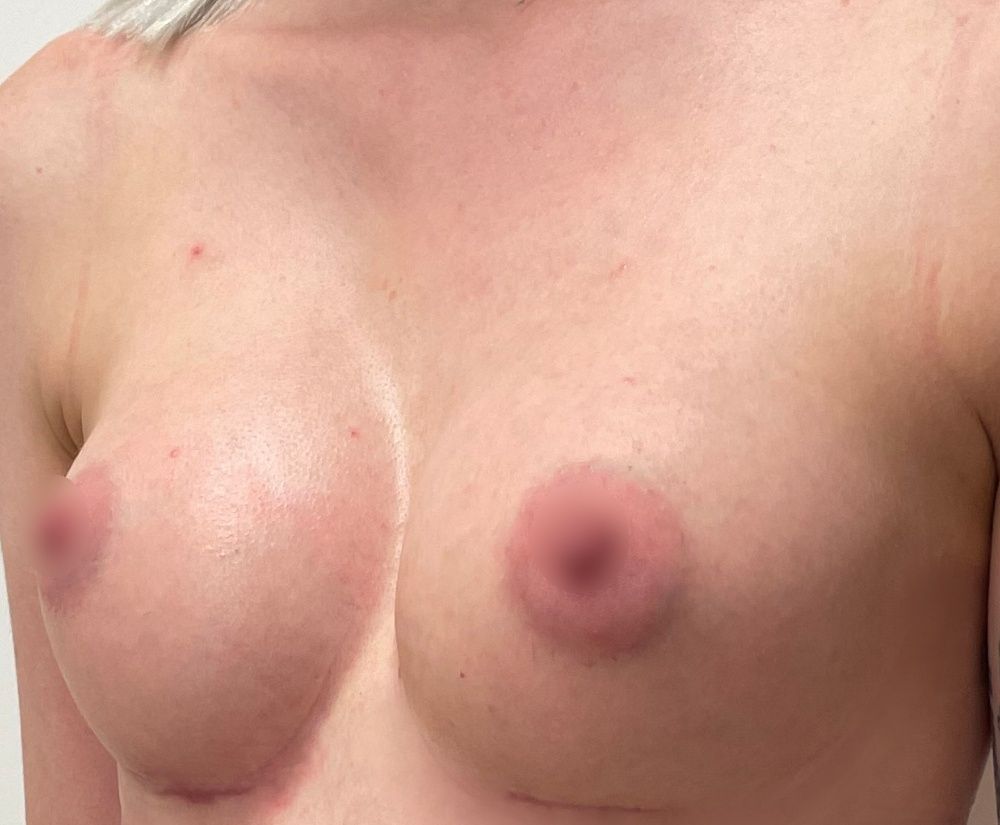
 BeforeAfter
Deformity correction
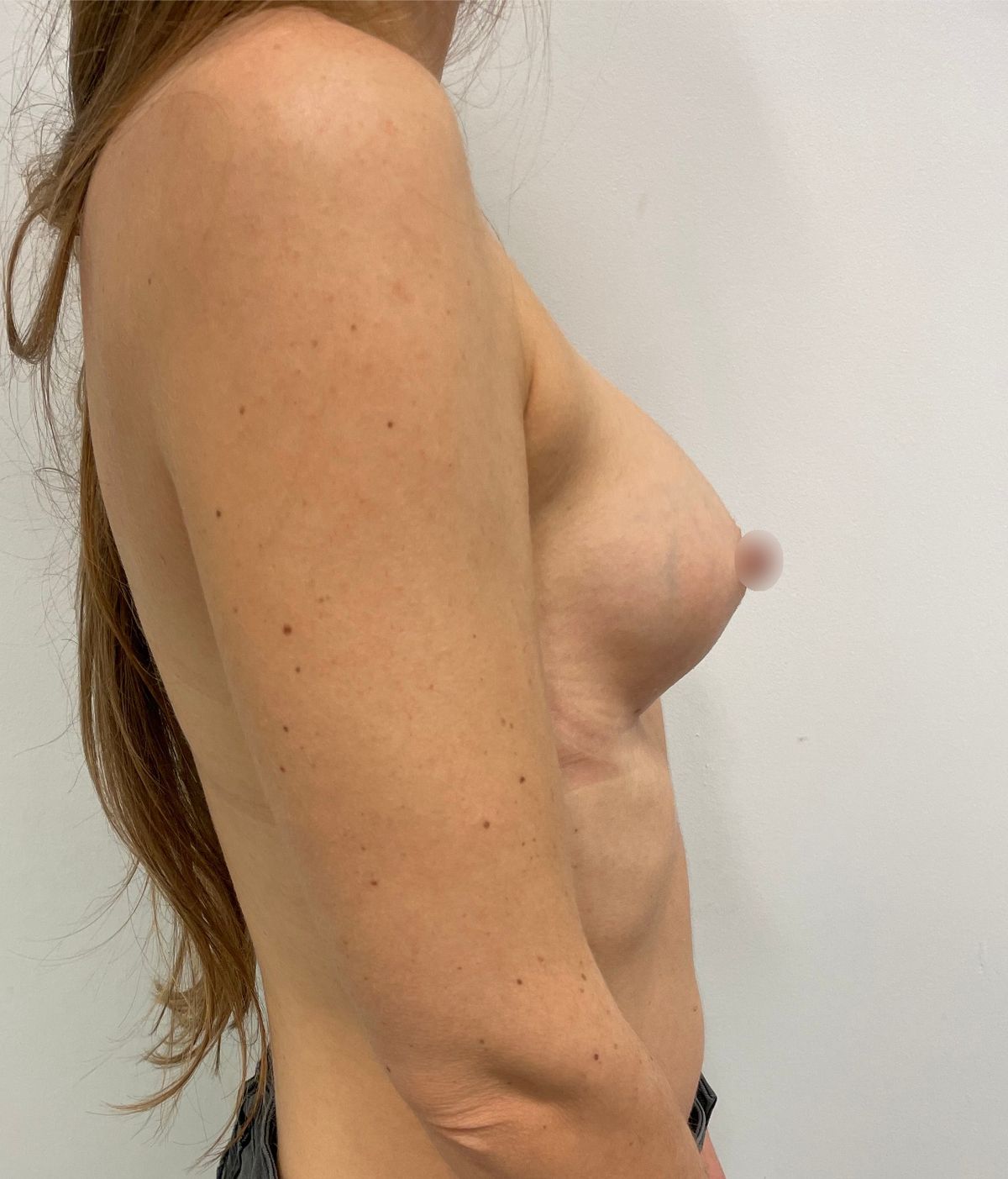
 BeforeAfter
Deformity correction
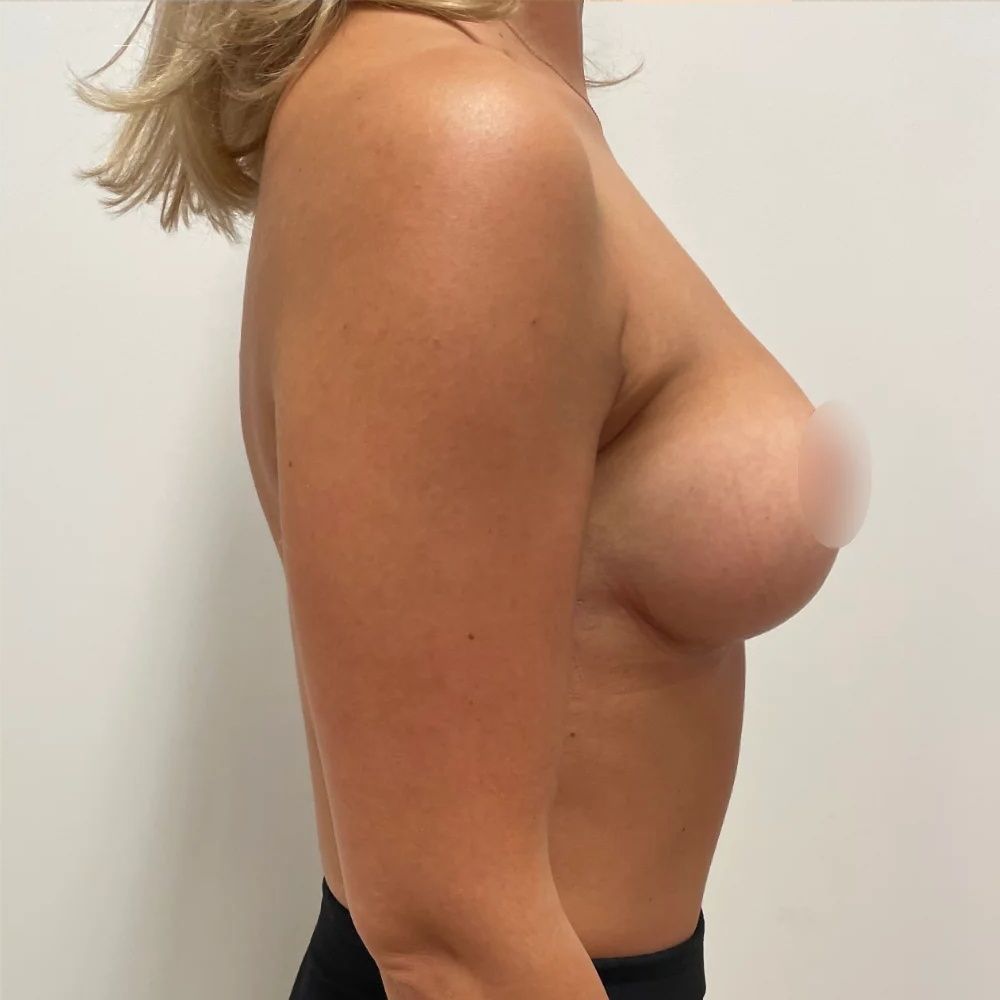
 BeforeAfter
Mastopexia
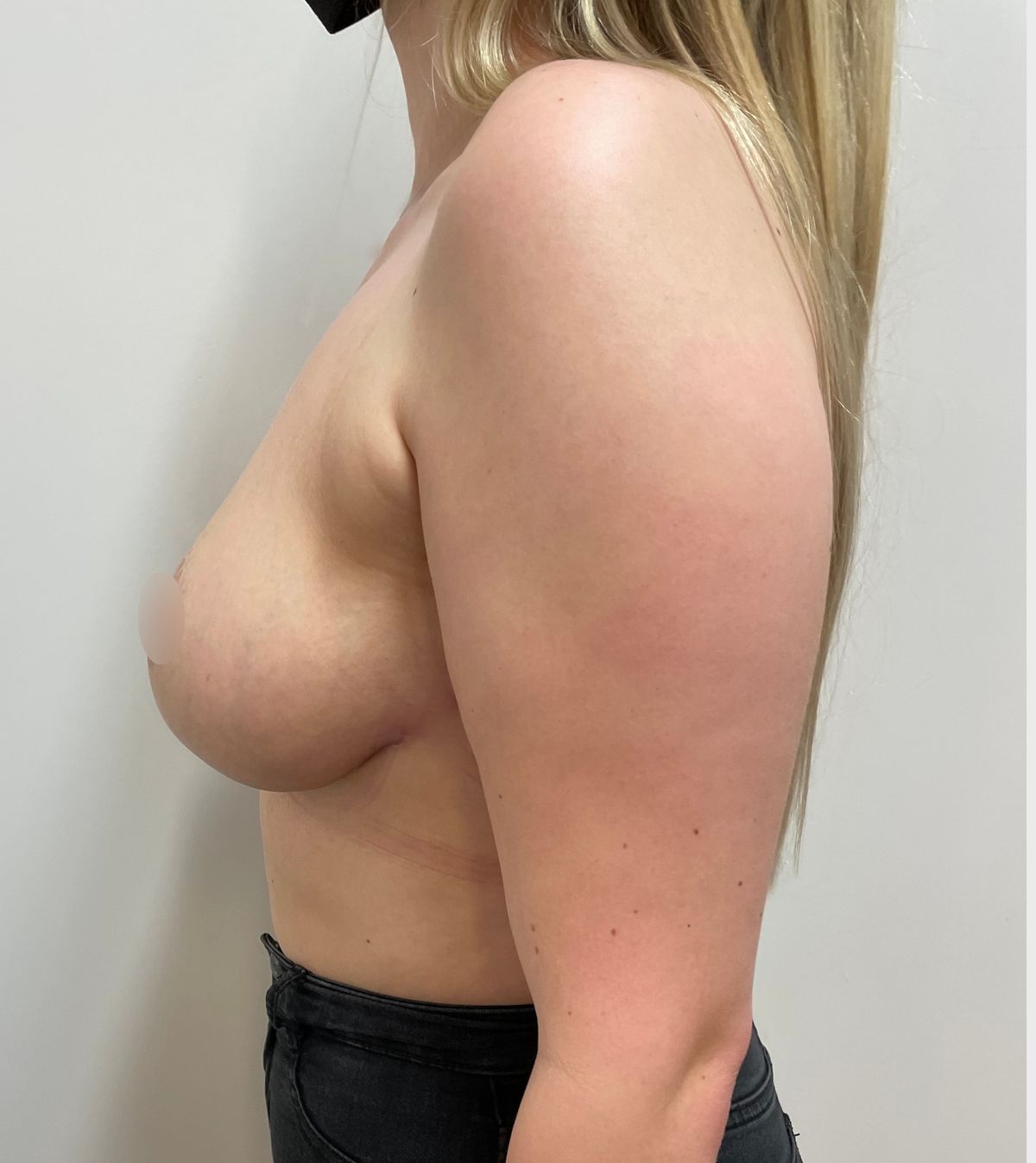
 BeforeAfter
Mastoreduction
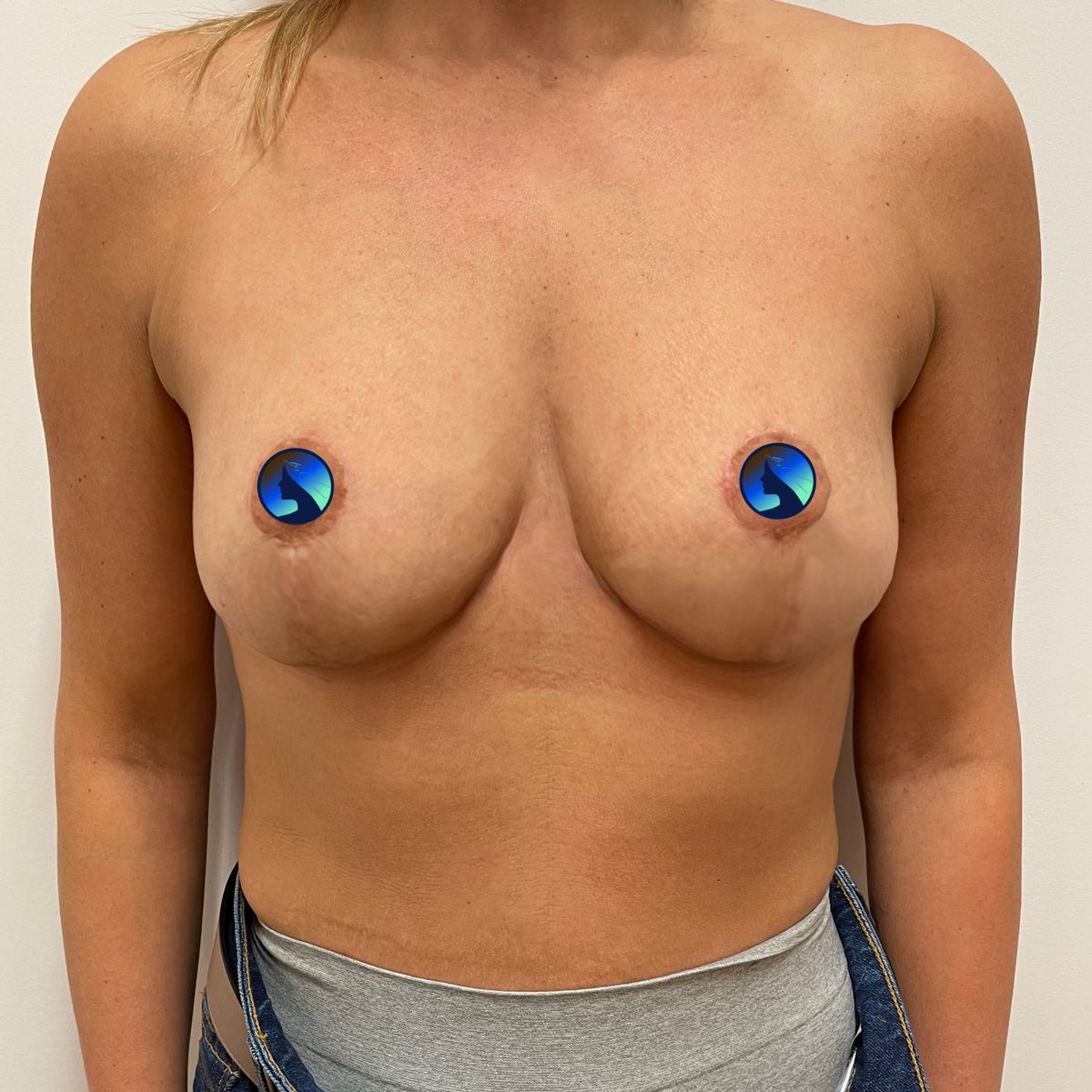
 BeforeAfter
Mastoreduction
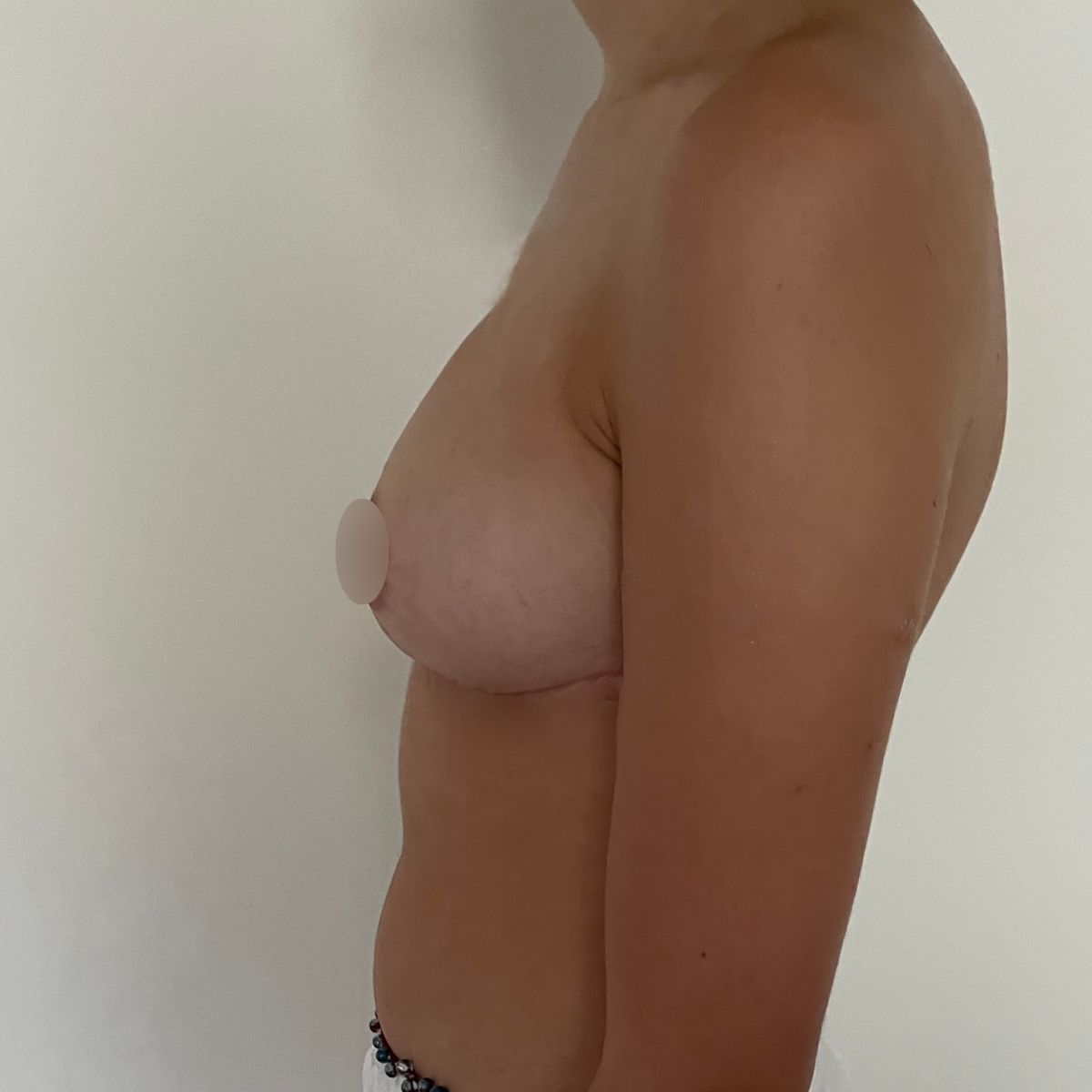
 BeforeAfter
Mastoreduction
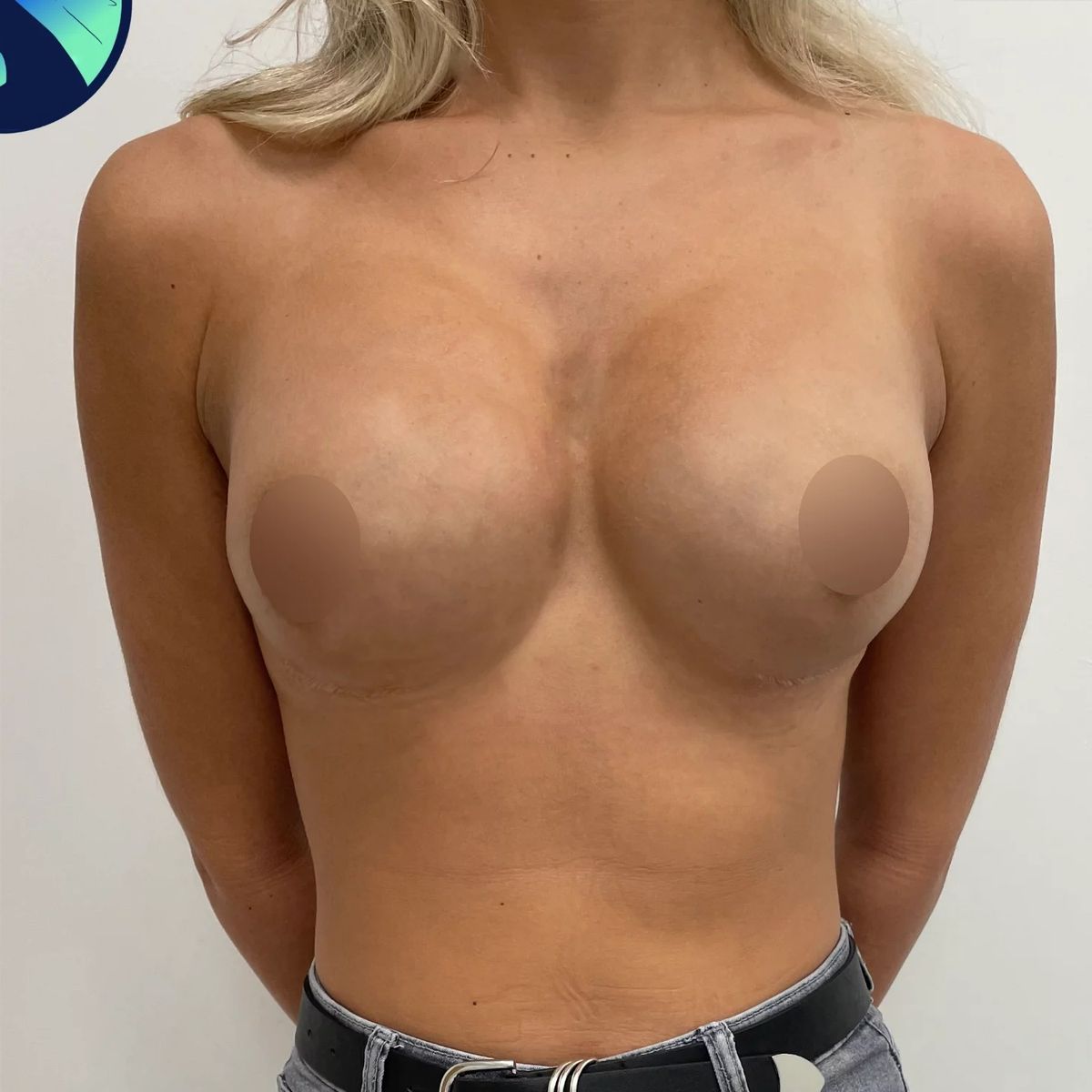
 BeforeAfter
Light implant augmentation
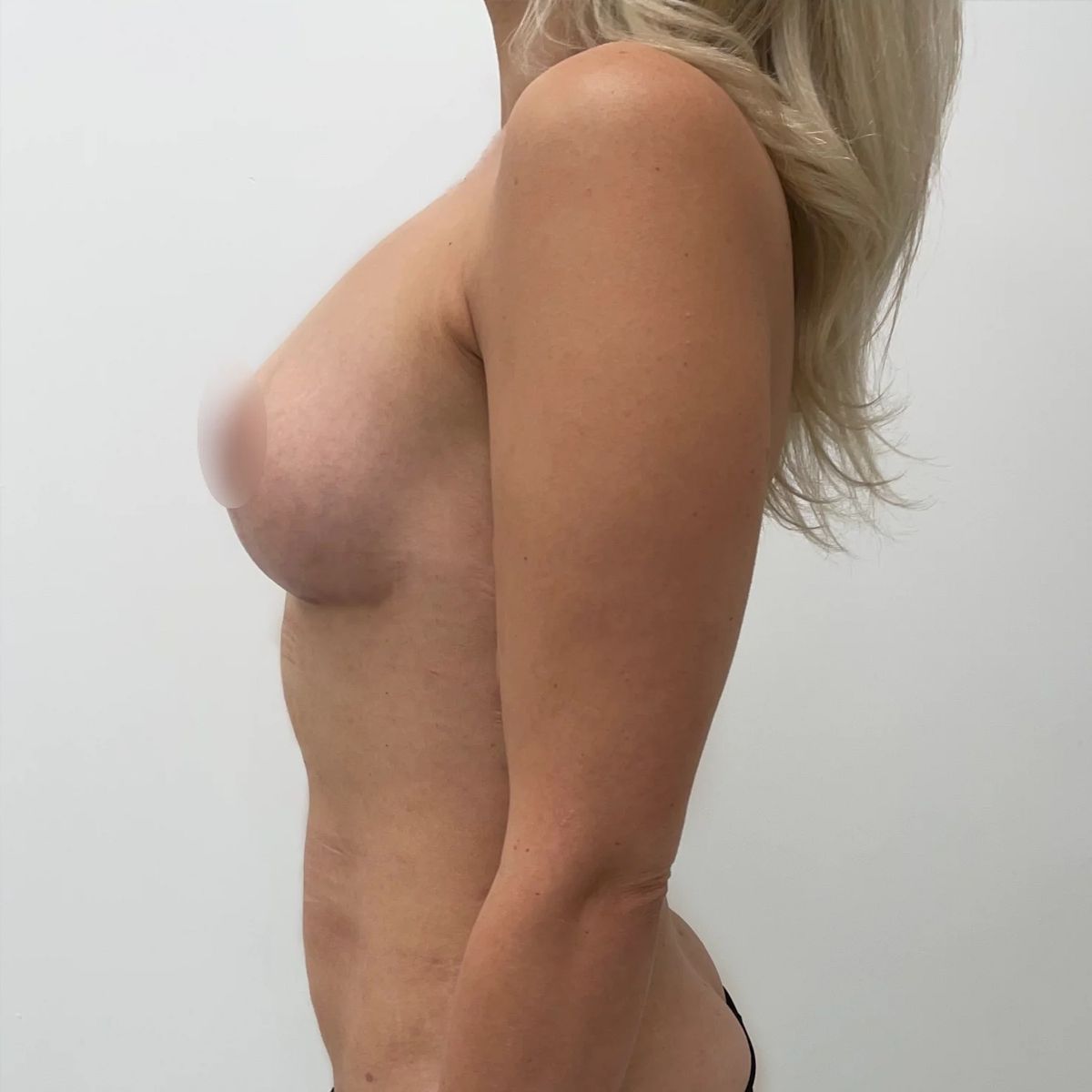
 BeforeAfter
Breast lift
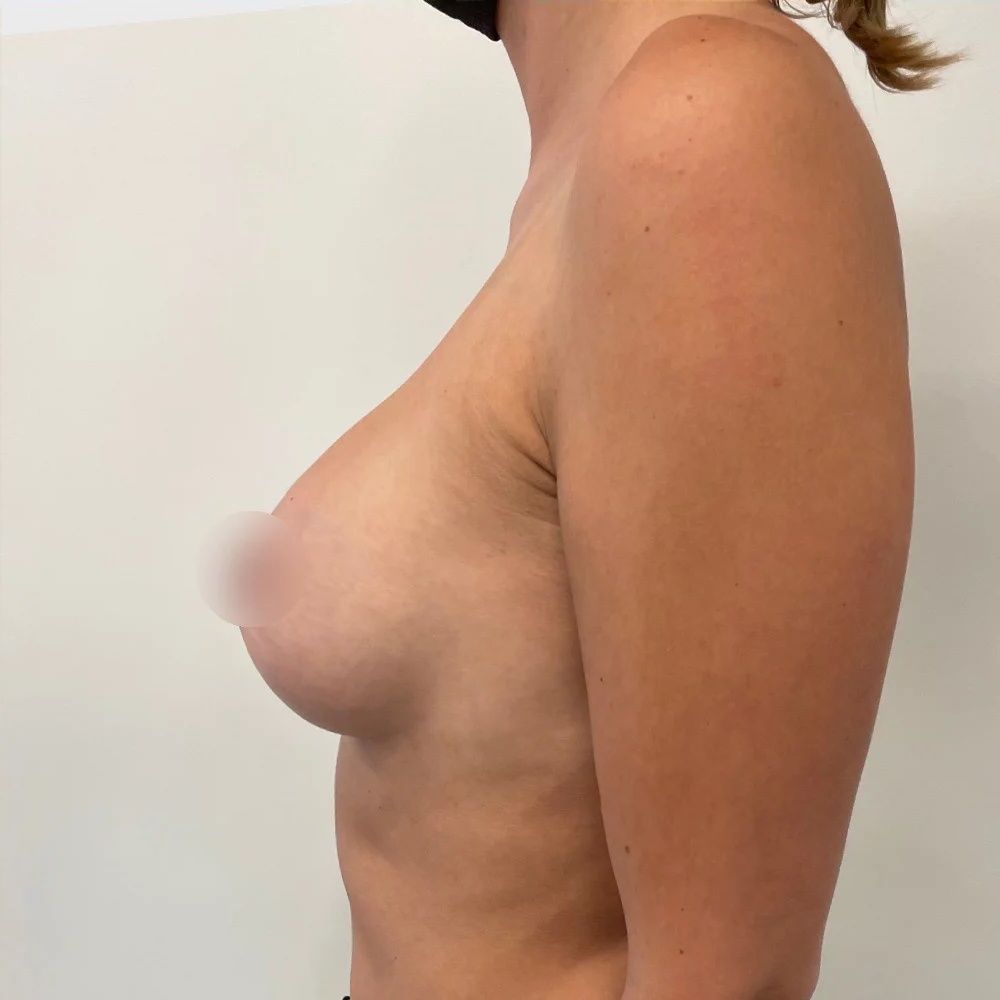
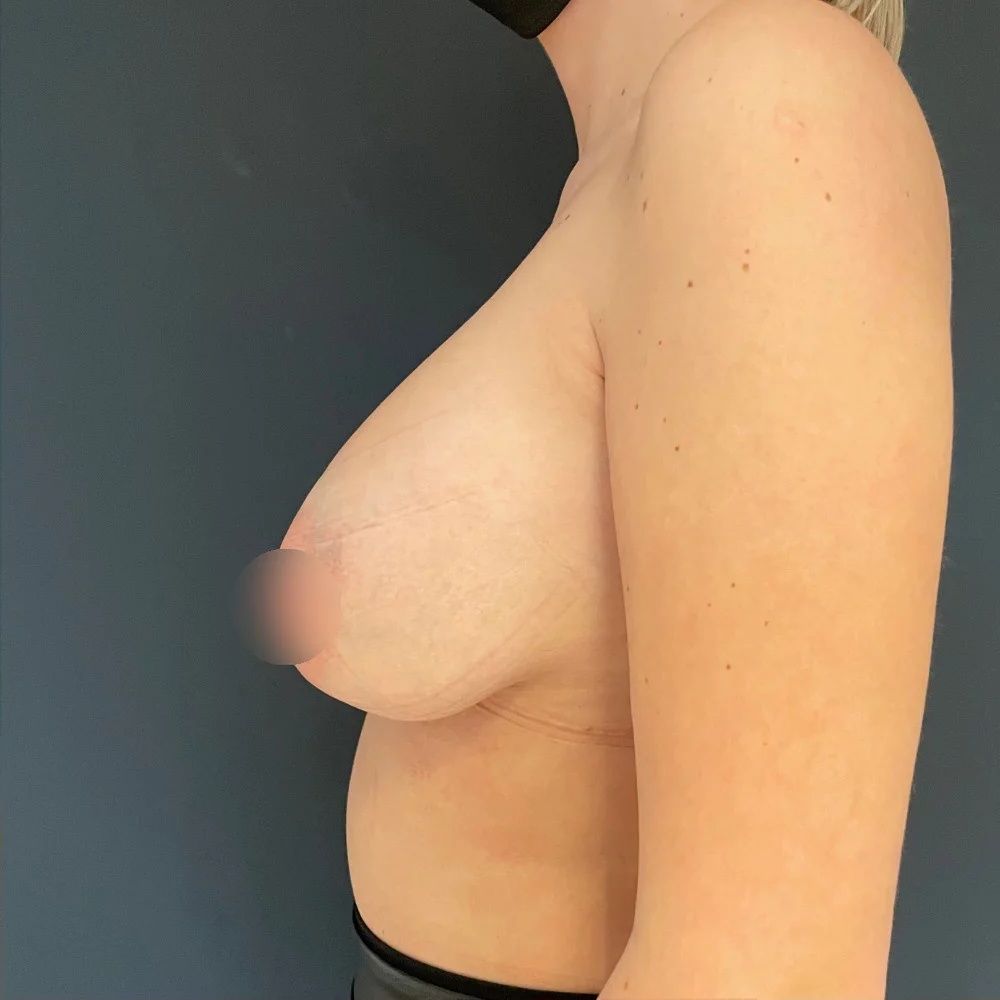 BeforeAfter
Breast lift
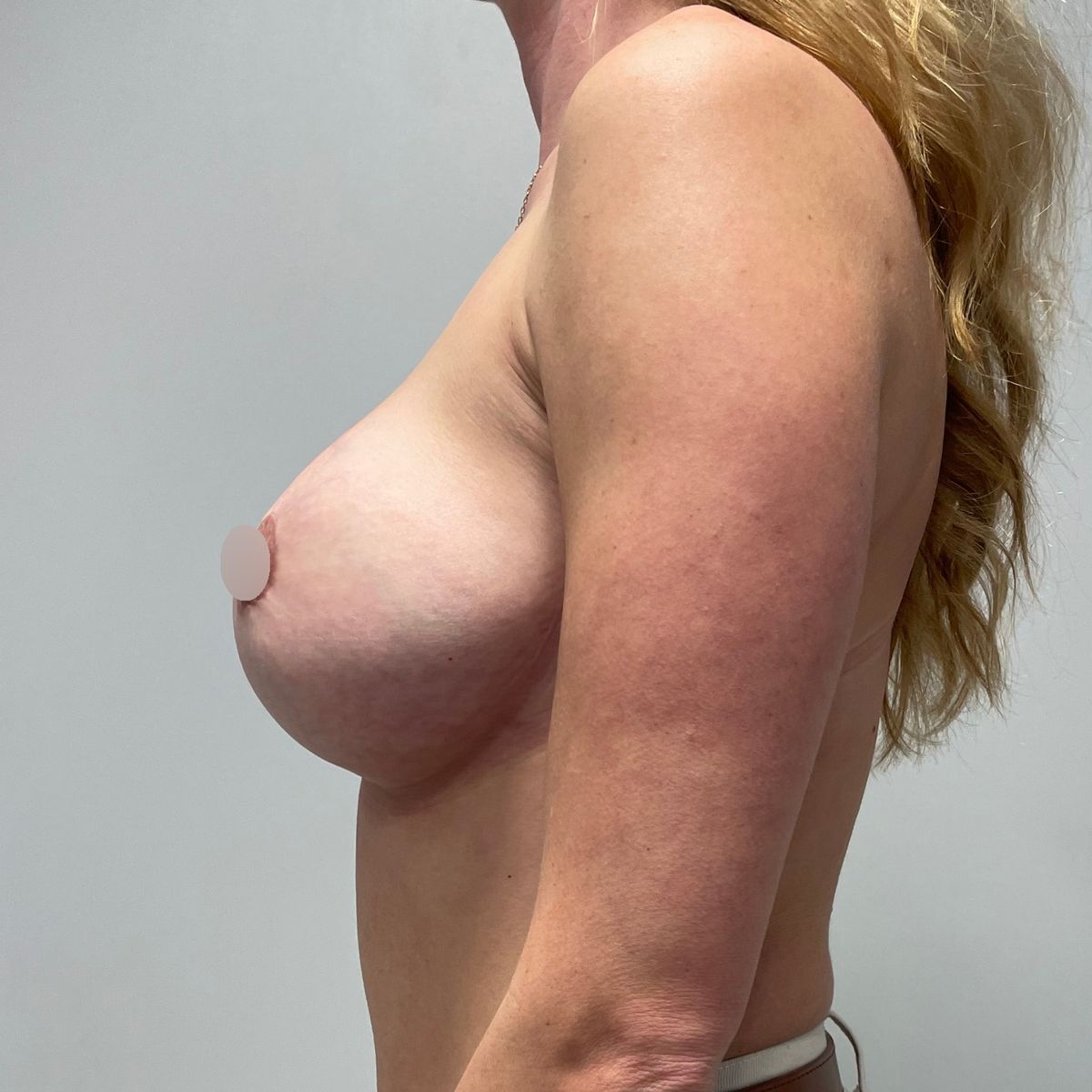
 BeforeAfter
Endoscopic breast augmentation with periareolar pexy
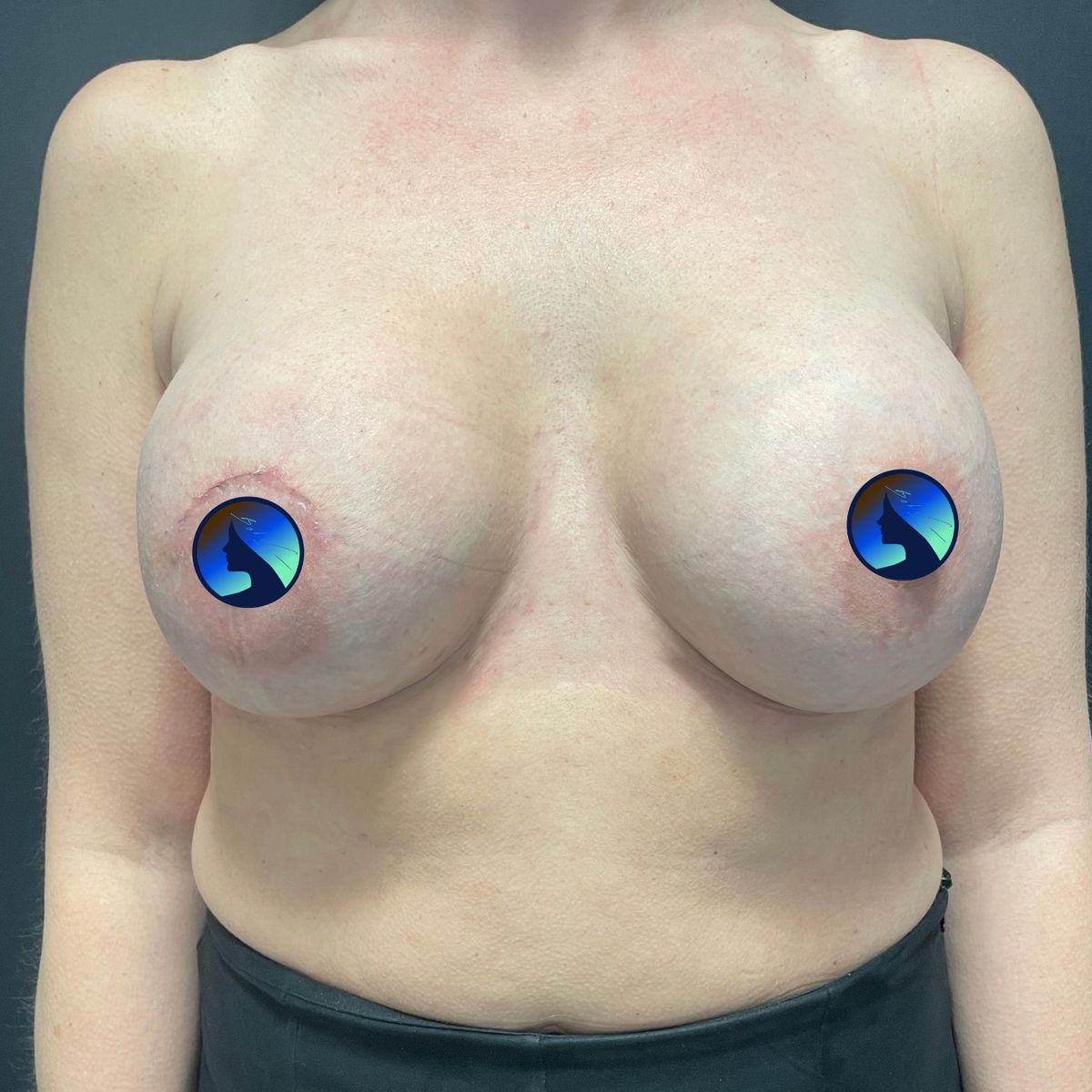
 BeforeAfter
Endoscopic breast augmentation with periareolar pexy
The final cost depends on the type of implants and the complexity of the procedure.
Book consultationDetailed assessment of breast shape, size, proportions, and tissue quality. Determining the procedure type and scope: breast augmentation, mastopexy (breast lift), breast reduction, symmetrization, fat grafting, or a combination approach. In the case of breast augmentation—selecting the optimal size, shape, and implant type, as well as discussing the surgical placement technique.
Medical photography, required preoperative diagnostic lab work, and breast imaging (most commonly a breast ultrasound). Final confirmation of the surgical scope.
The procedure is performed under general anesthesia (epidural anesthesia is exceptionally rare). Procedure duration depends on the type and scope of the surgery, followed by a post-operative observation period.
Evaluation of the healing process, wound assessment, and breast positioning. Depending on the procedure performed—dressing changes and updated post-operative care instructions.
Wearing a specialized supportive surgical bra and, in the case of implant augmentation, an implant stabilization belt if clinically indicated.
Regular check-ups throughout the healing phase to monitor wound recovery, breast contour, and implant positioning. Implementation of supportive conservative therapies if required.
Following early recovery, periodic check-ups take place every 3 months, including monitoring implant integrity and position for augmented patients. A final follow-up including a breast ultrasound is conducted at 12 months to formally conclude treatment.

~ Katarzyna S.
~ Aleksandra
~ Aga
~ Jolanta
~ Pacjent
In most cases, yes. The surgical techniques used are designed to preserve the function of the mammary glands. This issue is always discussed in detail during the consultation.
The consultation is a time for your questions and a thorough assessment of treatment options.
