Dr Dominik Boligłowa
Dr Dominik BoligłowaSpecialist plastic surgeon

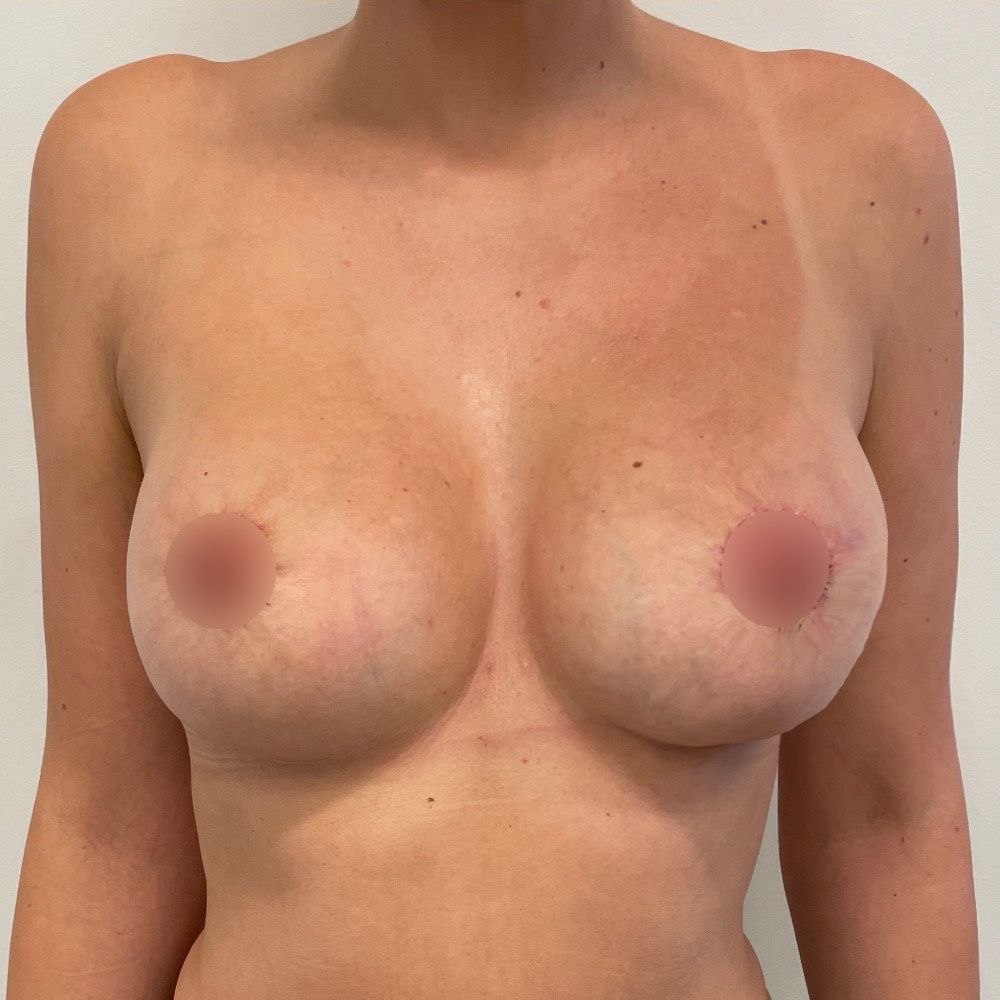
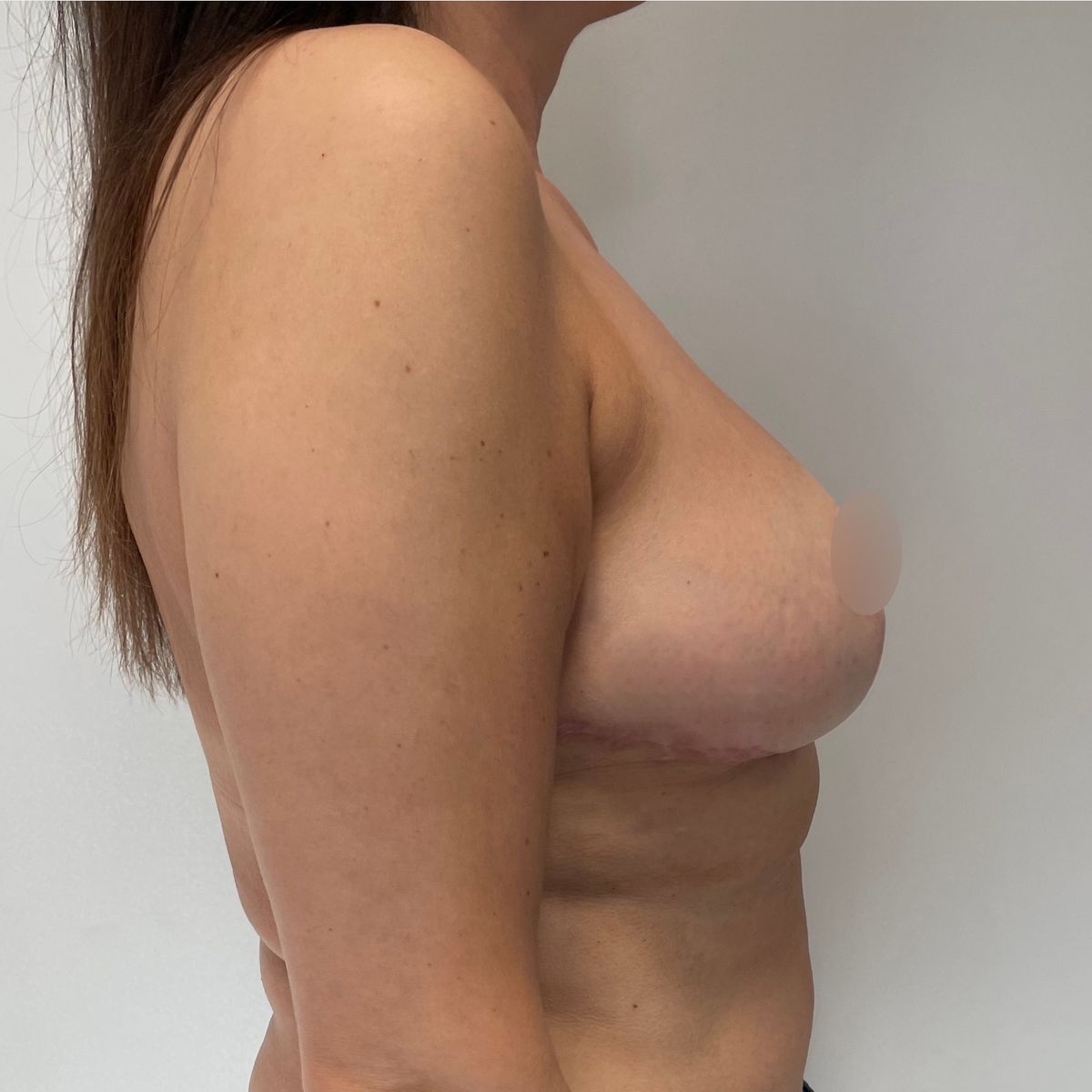
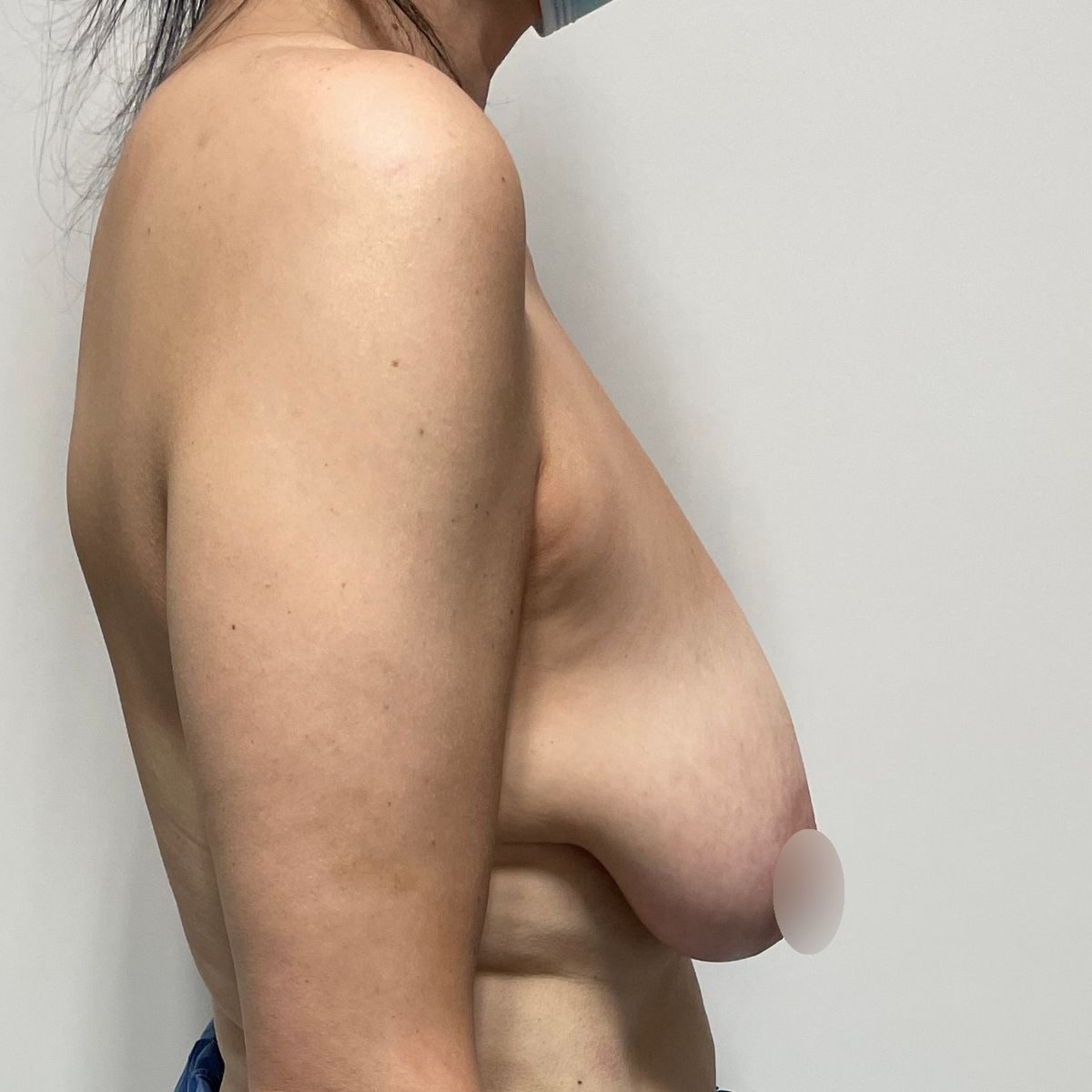
Breast symmetrization

Restore the ideal aesthetic balance, proportions, and natural appearance of the breasts. Discover advanced corrective and reconstructive procedures, as well as tissue reshaping techniques, tailored to your anatomy.

Hero Image

Who is this treatment for?

Uneven breasts (congenital asymmetry, or asymmetry following pregnancy or treatment)

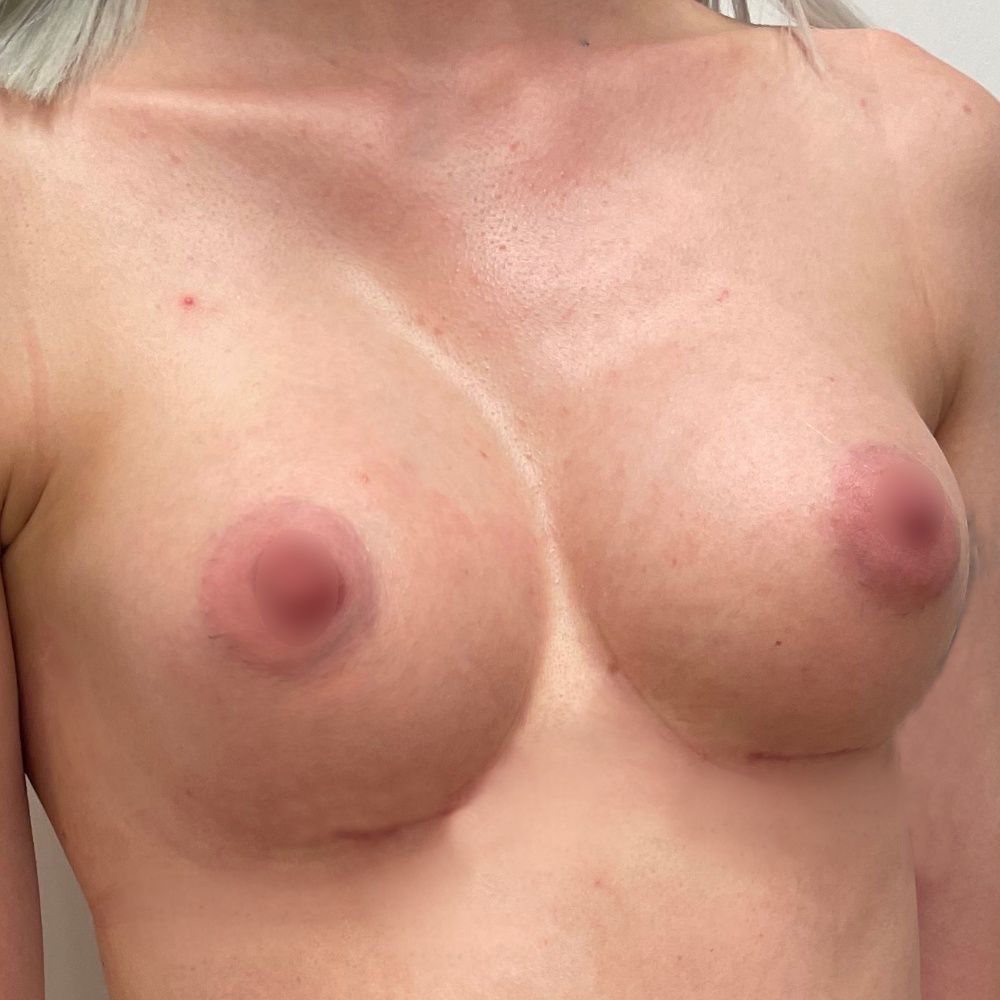
Differences in breast size, shape, or position may result from congenital defects (e.g., rib structure asymmetry), development after pregnancy/breastfeeding, or be the result of oncological treatments (e.g., mastectomy). Large asymmetries also cause uneven weight distribution on the spine and its curvature. The solution is [Symmetrization, breast leveling], which restores aesthetic and health balance.

Inverted or retracted nipples

An inverted nipple (a congenital condition affecting up to 3.3% of women) can range from one that responds easily to stimulation to one that is permanently retracted due to shortened milk ducts. This condition causes self-consciousness and hinders breastfeeding. The solution is [Inverted Nipple Correction] (or, alternatively, breast augmentation with an implant via the axillary approach).

Tubular breasts

A developmental anomaly characterized by unnaturally large, protruding areolas and a tubular, drooping breast shape—resulting from insufficient connective tissue development—that appears at puberty. This condition can, among other things, make breastfeeding difficult. The solution is a specialized [correction of tuberous breasts].

Chest wall deformities (Pectus carinatum and other defects)

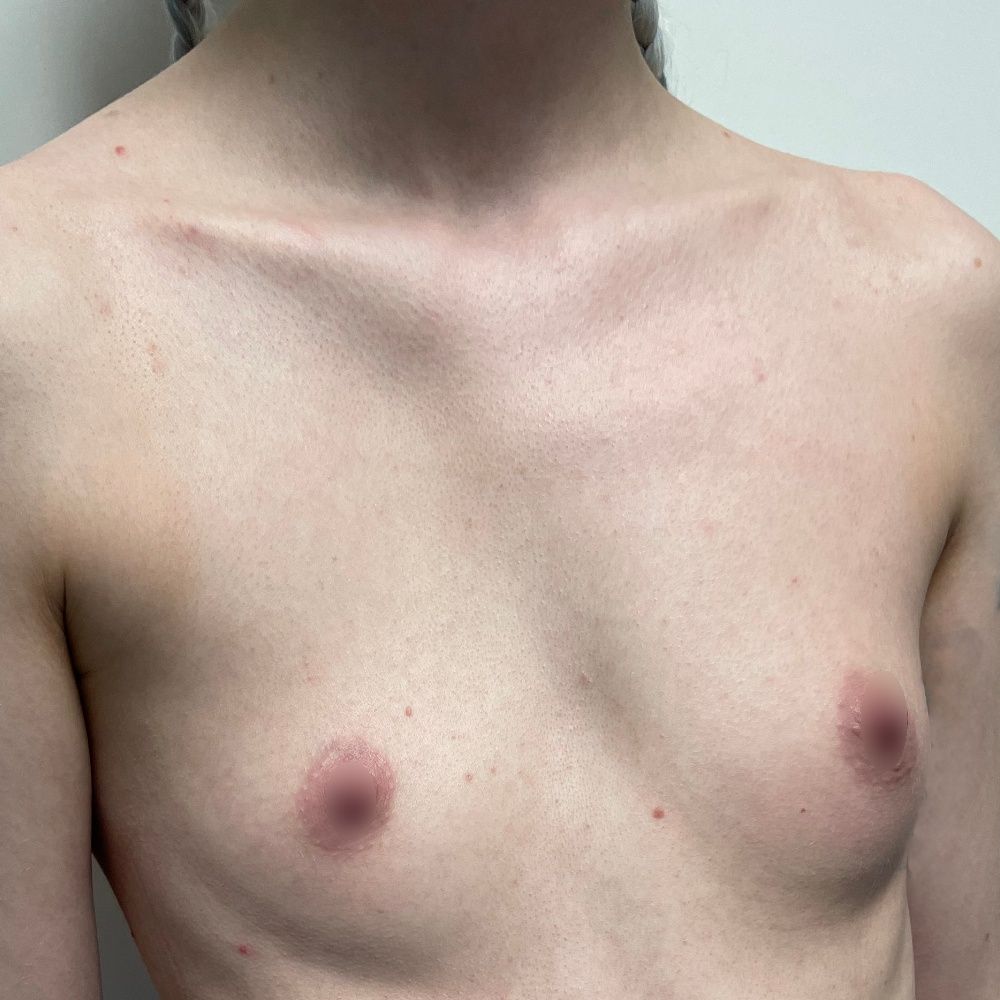
ongenital or acquired deformations such as pectus carinatum (pigeon chest), pectus excavatum (funnel chest), or defects after accidents and oncological resections that cause protrusions or depressions, causing complexes and pain. The aesthetic solution is [Correction of deformed chest] (or dedicated [Correction of pigeon chest with implants]).

Cavities, irregularities, and the need for natural contouring

Whether the goal is to correct minor irregularities, fill in volume deficits following oncological procedures or lesion excision, or to enlarge the breasts using one’s own tissue rather than artificial implants, the solution is breast augmentation with fat (lipofilling using stem cells).

Loss of the breast (Need for oncological reconstruction)

The situation following a mastectomy (e.g., prophylactic surgery due to BRCA1/BRCA2 mutations or oncological treatment) requires the restoration of the lost organ and the recovery of a sense of femininity. The solution is advanced breast reconstruction (including, among other techniques, modern endoscopic mastectomy with immediate reconstruction).

Problem section image

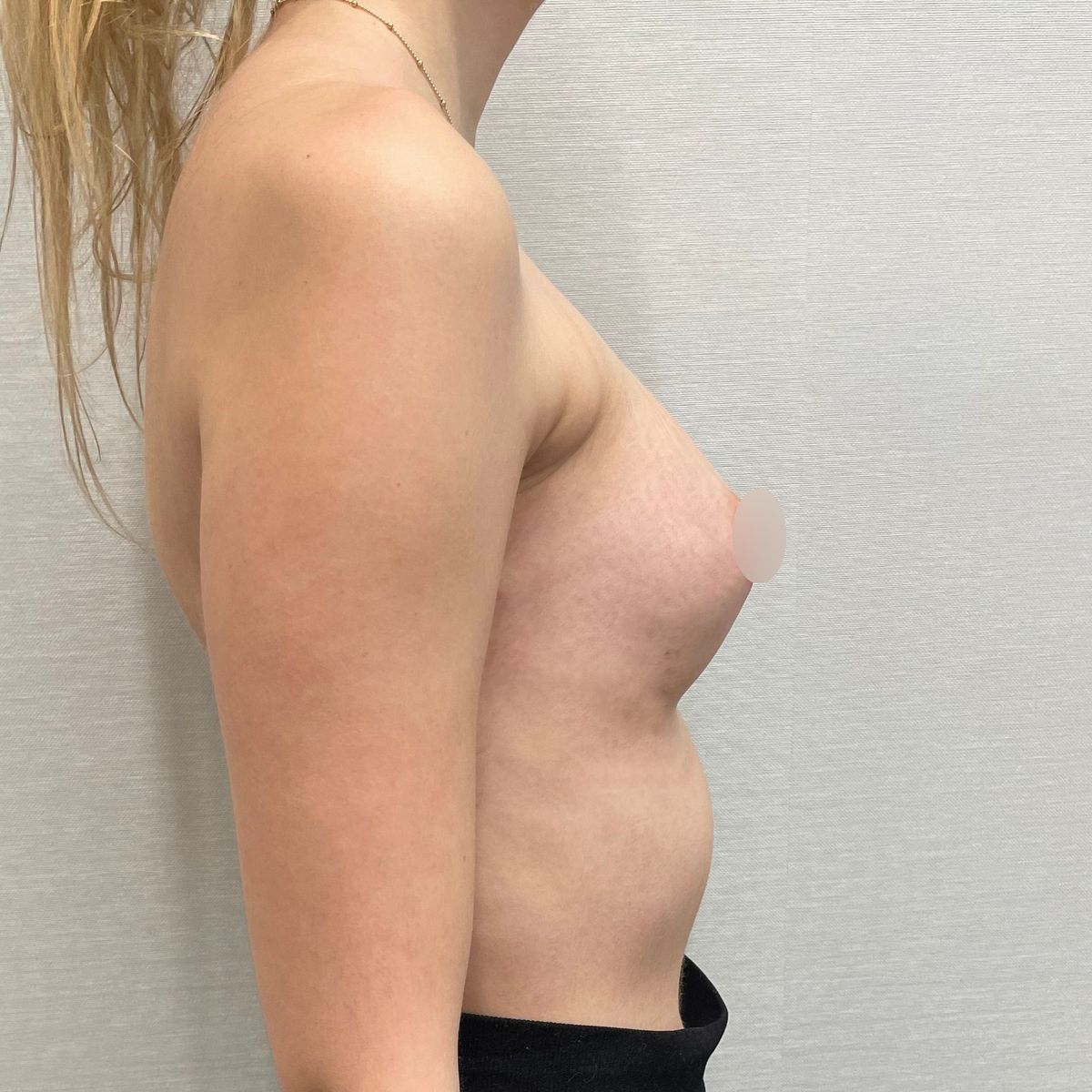
Results of my surgeries

After surgeryBefore surgeryBeforeAfter

Breast symmetrization

After surgeryBefore surgeryBeforeAfter

Breast symmetrization

After surgeryBefore surgeryBeforeAfter

Correction of tuberous breasts

After surgeryBefore surgeryBeforeAfter

Correction of tuberous breasts

After surgeryBefore surgeryBeforeAfter

Correction of tuberous breasts

After surgeryBefore surgeryBeforeAfter

Correction of chest wall deformity

After surgeryBefore surgeryBeforeAfter

Correction of chest wall deformity

After surgeryBefore surgeryBeforeAfter

Correction of chest wall deformity

After surgeryBefore surgeryBeforeAfter

Correction of chest wall deformity

After surgeryBefore surgeryBeforeAfter

Correction of chest wall deformity

After surgeryBefore surgeryBeforeAfter

Correction of chest wall deformity

Pricing

Correction of an inverted nipple

A procedure performed under local anesthesia that involves creating an internal scaffold from skin flaps to permanently lift and support an inverted nipple without damaging the milk ducts.

Book consultation
from3500to8000PLN

Course of surgical treatment – ​​breast surgery

Consultation

Detailed assessment of breast shape, size, proportions, and tissue quality. Determining the procedure type and scope: breast augmentation, mastopexy (breast lift), breast reduction, symmetrization, fat grafting, or a combination approach. In the case of breast augmentation—selecting the optimal size, shape, and implant type, as well as discussing the surgical placement technique.

Preoperative Preparation

Medical photography, required preoperative diagnostic lab work, and breast imaging (most commonly a breast ultrasound). Final confirmation of the surgical scope.

Surgery

The procedure is performed under general anesthesia (epidural anesthesia is exceptionally rare). Procedure duration depends on the type and scope of the surgery, followed by a post-operative observation period.

Initial Post-Operative Check-up

Evaluation of the healing process, wound assessment, and breast positioning. Depending on the procedure performed—dressing changes and updated post-operative care instructions.

Post-Operative Garments & Stabilization

Wearing a specialized supportive surgical bra and, in the case of implant augmentation, an implant stabilization belt if clinically indicated.

Subsequent Follow-up Visits

Regular check-ups throughout the healing phase to monitor wound recovery, breast contour, and implant positioning. Implementation of supportive conservative therapies if required.

Long-Term Follow-up

Following early recovery, periodic check-ups take place every 3 months, including monitoring implant integrity and position for augmented patients. A final follow-up including a breast ultrasound is conducted at 12 months to formally conclude treatment.

Frequently asked questions

Before breast reduction surgery, a current breast ultrasound or mammography is absolutely required, and in some cases also an orthopedic consultation due to degenerative changes in the spine.

Take the first step towards self-confidence

The consultation is a time for your questions and a thorough assessment of treatment options.

Make an appointment online
CTA Image