Excess Skin
Loss of skin elasticity after pregnancy or intensive weight loss, including post-bariatric surgery, can result in unsightly, loose hanging skin.
Our advanced surgical procedures help restore natural body lines by eliminating excess fat and skin, and strengthening the abdominal muscles. We offer solutions tailored to individual needs, prioritizing patient comfort and satisfaction.

Changes resulting from pregnancy, significant weight fluctuations, aging, or genetic predispositions can lead to loss of skin elasticity, stretch marks, fat accumulation in the abdomen and waist, and weakened abdominal muscles.
Loss of skin elasticity after pregnancy or intensive weight loss, including post-bariatric surgery, can result in unsightly, loose hanging skin.
Resistance of adipose tissue to diet and exercise in the abdomen and waist area, often requiring professional body contouring following bariatric procedures.
Separation of the rectus abdominis muscles, often occurring after pregnancy or significant weight loss, leading to bulging of the anterior abdominal wall.

Our offering includes a range of surgical procedures, from less invasive liposuction treatments to comprehensive abdominoplasty surgeries, aimed at restoring defined body contours. Each procedure is carefully selected to meet individual patient needs.

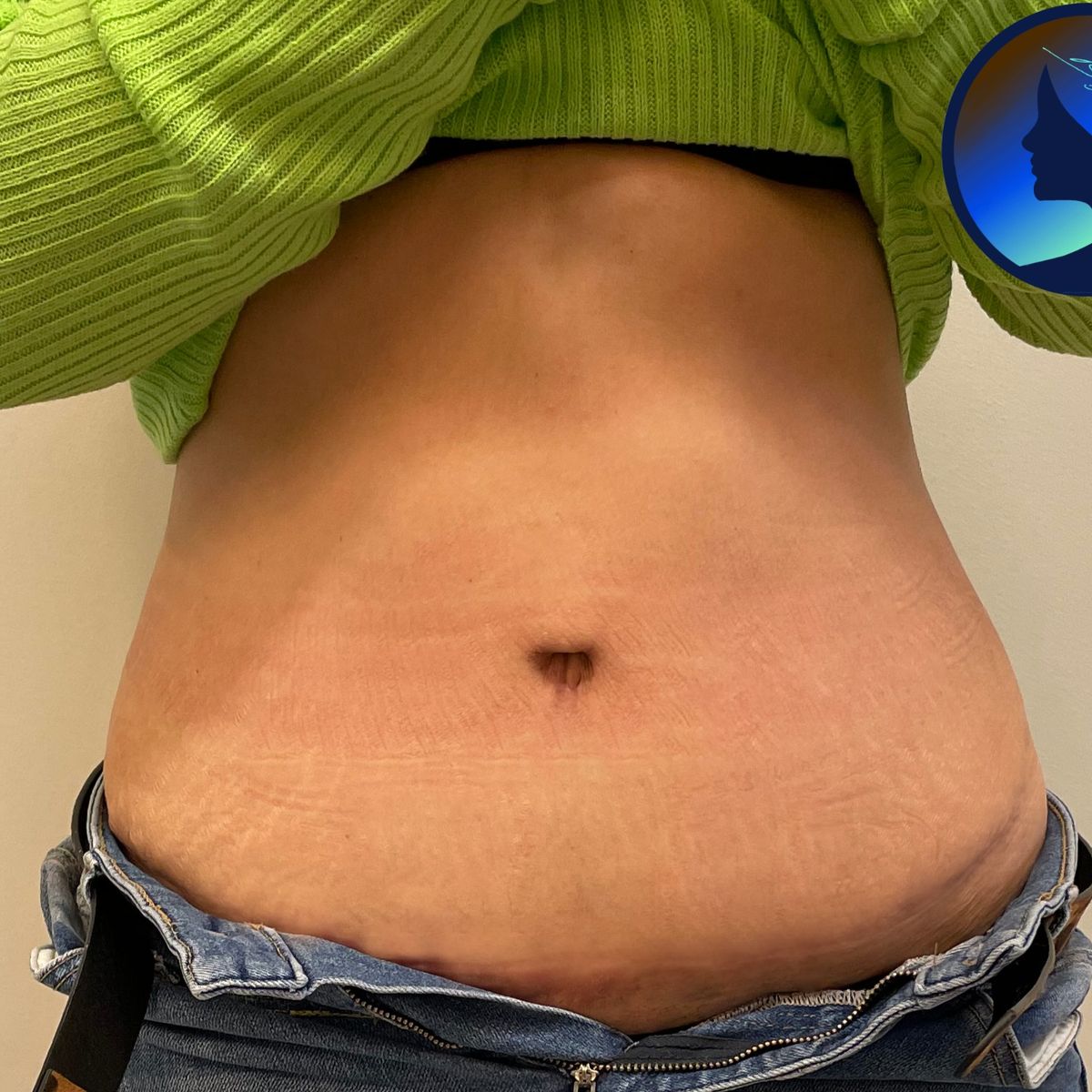
 BeforeAfter
Abdominoplastyka – repair of large hernias
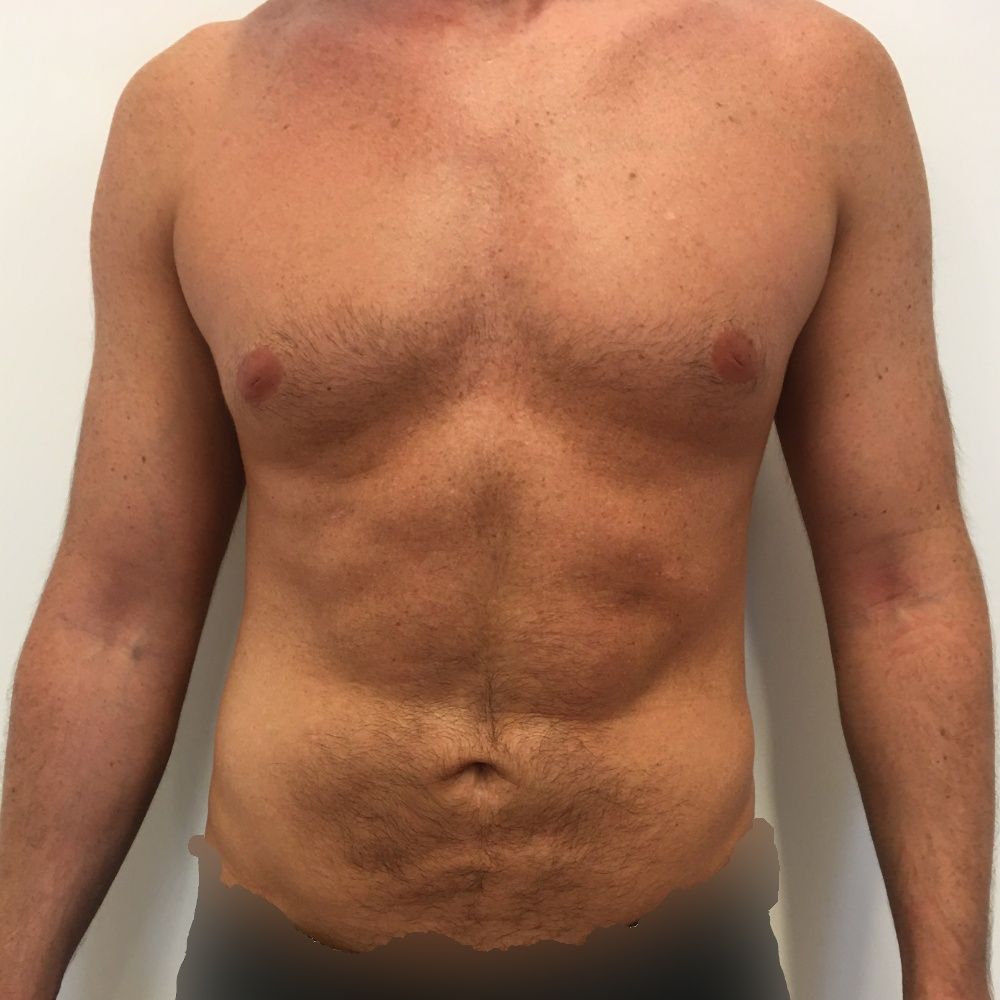
 BeforeAfter
Liposuction of the abdomen and flanks
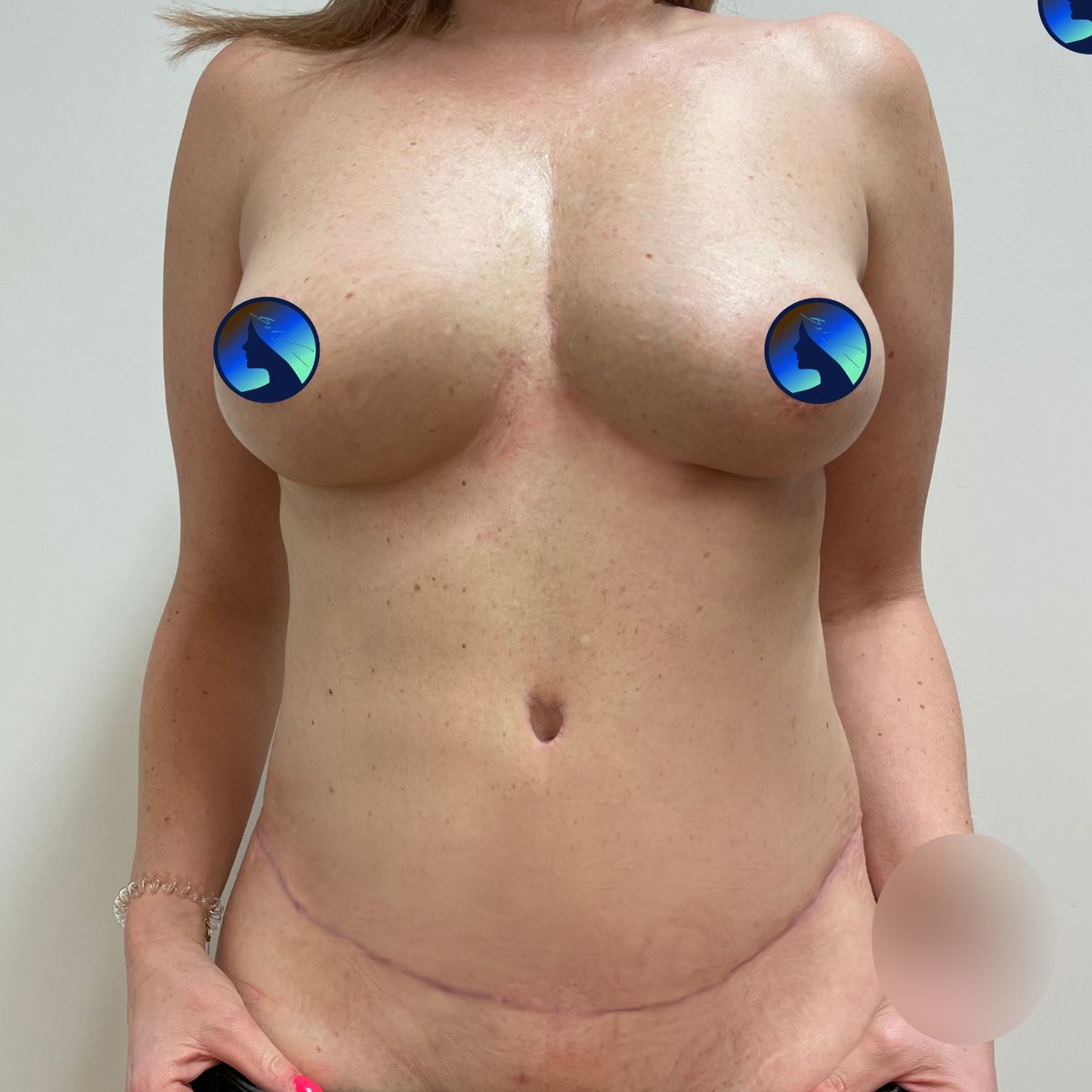
 BeforeAfter
Lipoabdominoplasty with fat grafting
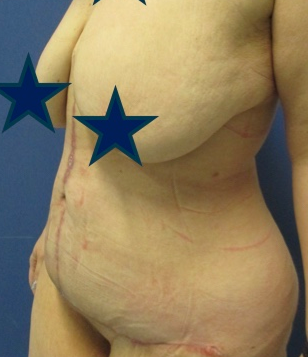
 BeforeAfter
Abdominoplastyka – FDL Panniculectomy

 BeforeAfter
Circular Body Lift

Abdominoplasty

Abdominoplasty

Abdominoplasty

Abdominoplasty

Abdominoplasty
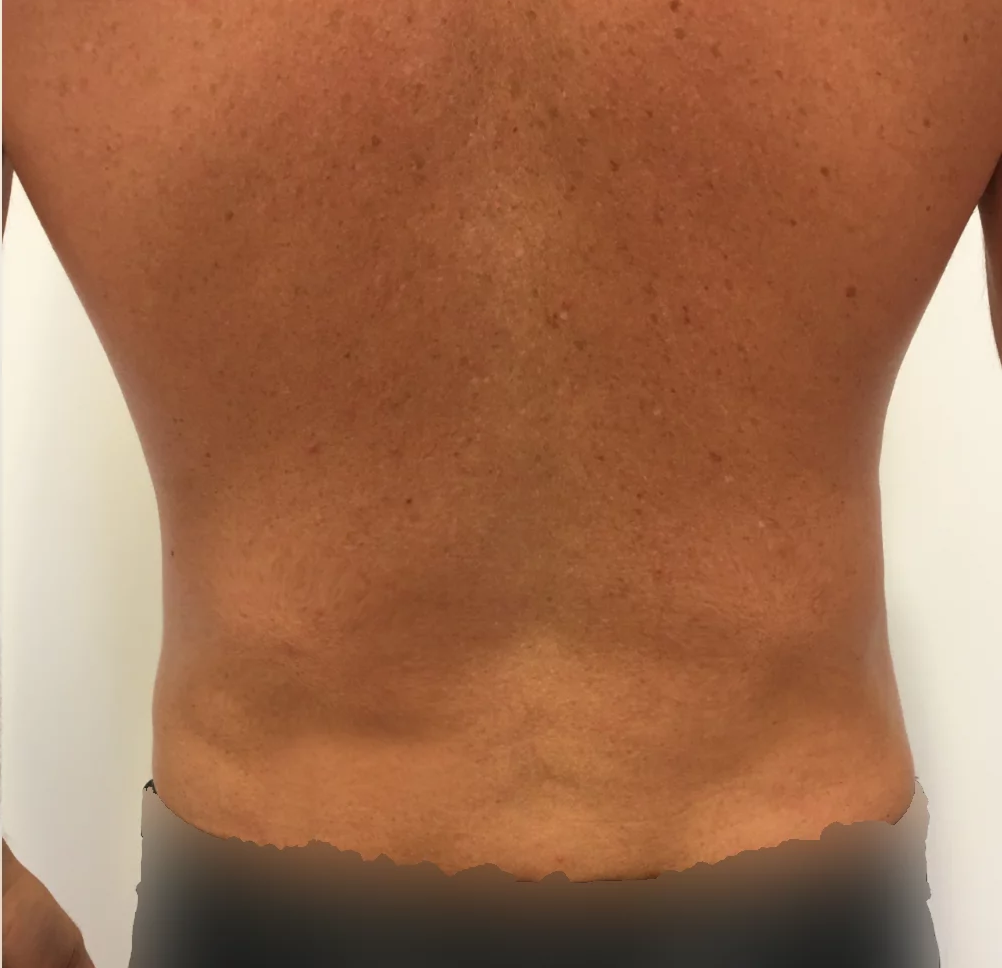
 BeforeAfter
Flank liposuction
A comprehensive procedure involving the removal of excess skin and fat from the abdomen, along with the repair of rectus diastasis.
Beauty of form is born from inner harmony and clean lines of the silhouette.
~ Arystoteles
Assessment of overall body contour, fat distribution, skin quality, skin excess, anatomical proportions, as well as diagnosing or ruling out the presence of abdominal wall hernias. Determining the scope of treatment and selecting the appropriate technique—liposuction, abdominoplasty, or a combination procedure. Completion of medical photography and finalizing the surgical plan.
Depending on the volume of adipose tissue, excess skin, and the skin's retraction capacity, treatment may be planned in one or two stages. In select cases, liposuction is performed in the first stage, with the decision regarding potential skin excision made only after skin retraction is complete.
The procedure is performed under general anesthesia. Depending on the agreed scope, it includes liposuction of targeted areas, abdominoplasty, or a combination approach, followed by a post-operative observation period.
Monitoring the healing process, surgical wounds, swelling, and contour evolution of the treated areas. In cases of abdominoplasty—wound care management and suture removal tailored to recovery progress.
Wearing specialized compression garments and a gradual return to normal physical activity according to post-operative instructions.
Regular follow-up appointments to evaluate healing, skin retraction, and body contouring progress, as well as introducing supportive conservative therapies if required.
Following liposuction, the final degree of skin retraction can only be evaluated after a sufficient recovery period. In certain cases, additional skin excision may be necessary after approximately 6 months. For this reason, some body contouring procedures are conducted as a two-stage treatment.
Final conclusion of treatment upon full healing and completion of tissue remodeling.

The doctor explained everything thoroughly. The procedure went smoothly, and recovery was much easier than I expected. My waist is now significantly slimmer.
~ Tomasz M.
Full recovery can take 6 to 8 weeks, with a gradual return to full physical activity. The early period requires rest and reduced exertion.
The consultation is a time for your questions and a thorough assessment of treatment options.

